



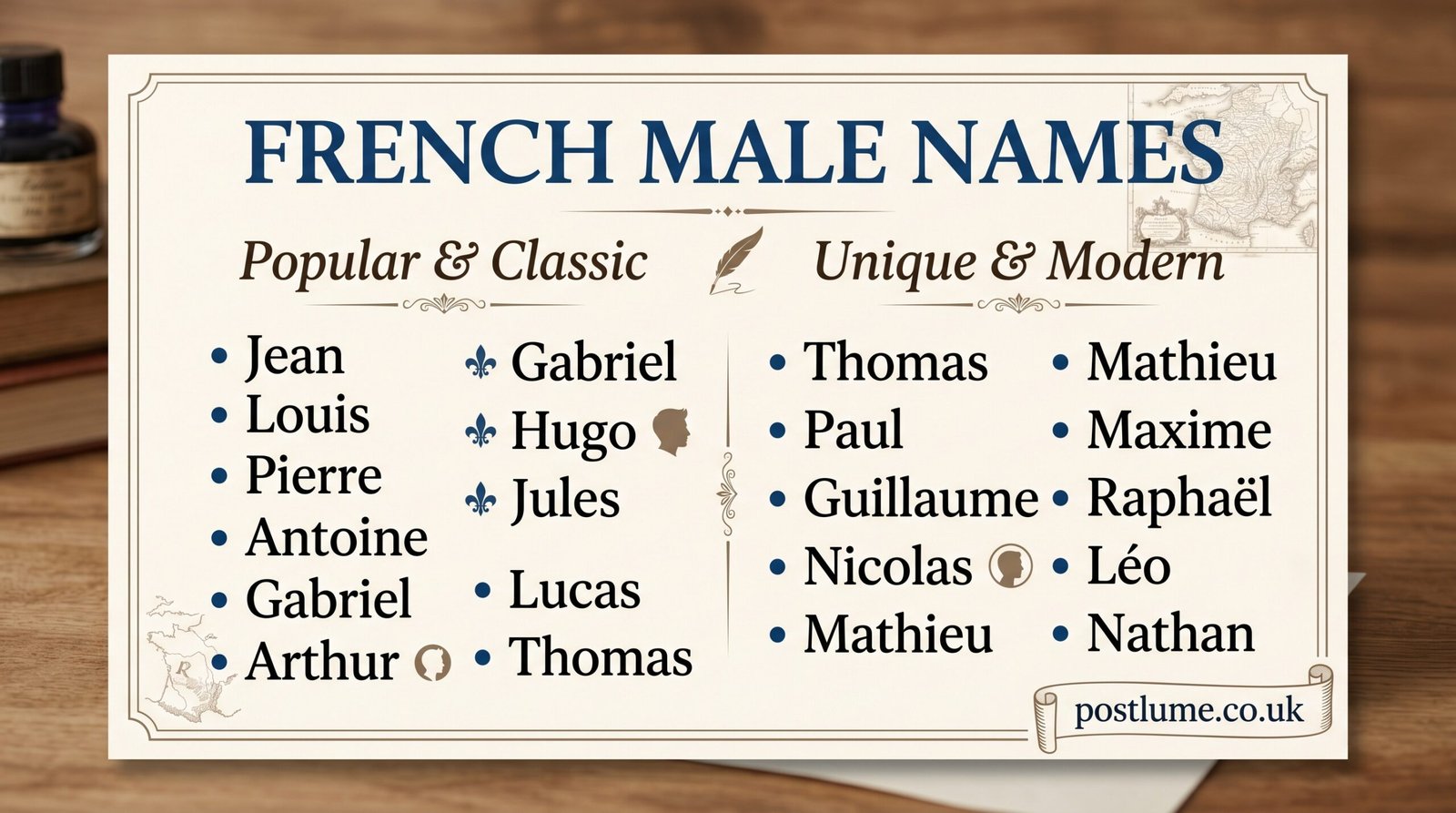
French male names have a timeless appeal that continues to attract parents, writers, and culture enthusiasts around the world. From classic royal names to modern minimalist choices, French boy names combine elegance, history, and strong meaning. Many names used in France today reflect centuries of linguistic influence from Latin, Germanic, Celtic, and biblical traditions. This blend gives French masculine names their distinctive sound and cultural depth.
In recent years, french male names naming trends have evolved toward shorter and internationally friendly names such as Gabriel, Léo, Raphaël, and Jules. At the same time, traditional names like Louis, Henri, and Pierre remain deeply respected in French-speaking communities. According to recent French naming trend reports and INSEE-related popularity data, names with soft pronunciation, simple spelling, and historical roots continue to dominate birth registrations in France.
The Rich History Behind French Male Names
French male names are closely connected to the long and layered history of France itself. During medieval times, many boys received names inspired by saints, kings, warriors, and biblical figures. Names such as Jean, Jacques, Louis, and Henri became symbols of tradition and social identity. Over time, these names spread across Europe and evolved into different local forms while maintaining their French charm.
The influence of religion also shaped French naming customs for centuries. Catholic traditions encouraged families to name children after saints or respected religious figures, which is why names like Gabriel, Michel, and André became so common. Royal history further strengthened the popularity of noble names, especially during the reigns of French monarchs. Even today, many parents choose classic French boy names because they feel refined, cultured, and historically meaningful.
Why French Boy Names Are Popular Worldwide
French masculine names are admired globally because they sound sophisticated without being overly complicated. Many people associate French culture with fashion, art, literature, and romance, which adds extra appeal to names from France. A name like Olivier, Lucien, or Théodore often feels stylish and intellectual while still remaining approachable.
Another reason for their popularity is international compatibility. Modern French male names are easier to pronounce across different languages compared to some traditional European names. Short names such as Léo, Noé, Adam, and Hugo are especially attractive to international families because they work well in multiple countries and cultures. Current naming discussions online also show growing appreciation for French names that feel unique yet familiar.
Most Popular French Male Names in Recent Years
Modern naming trends in France reveal a strong preference for names that are short, melodic, and easy to recognize internationally. Gabriel has remained one of the leading French boy names for several years, while Raphaël, Louis, Léo, Noah, and Jules continue to rank highly in popularity reports. These names combine tradition with modern simplicity, making them attractive to younger parents.
French parents today often prefer names with one or two syllables. Names such as Maël, Sacha, Isaac, and Paul reflect this trend toward simplicity and softness. Many of these names also carry biblical or historical associations, giving them a timeless quality. Even though trends change over time, the French naming culture still values elegance, meaning, and pronunciation more than novelty alone.
Classic French Male Names That Never Go Out of Style
Some French boy names remain popular generation after generation because they represent stability, tradition, and cultural identity. Louis is one of the strongest examples, largely due to its royal heritage and historical significance in France. Pierre, Jean, and Henri also continue to be respected names with deep roots in French society.
These classic names often feel mature and distinguished. They are commonly associated with literature, politics, philosophy, and French history. Parents who choose traditional French male names usually appreciate their timeless nature and strong meanings. A name like Étienne or Marcel may sound vintage to some people, but it also carries a sense of authenticity and heritage that modern invented names often lack.
Unique and Rare French Male Names With Character
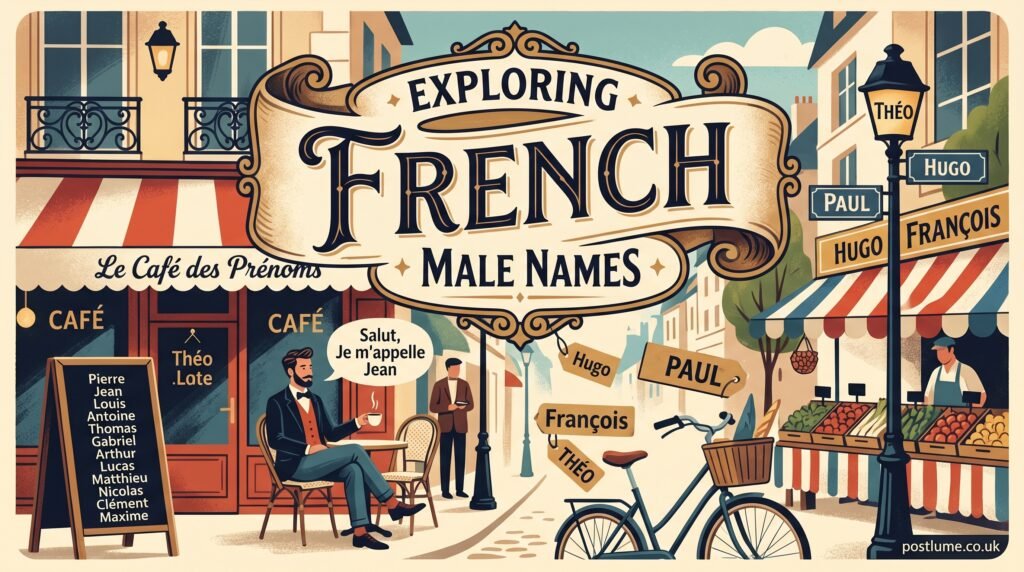
Alongside traditional favorites, many parents now search for unique French male names that feel fresh and distinctive. Names such as Lazare, Anatole, Marceau, Aurélien, and Gaspard are becoming increasingly attractive because they are uncommon yet strongly connected to French culture. These names often stand out without sounding artificial or trendy.
Rare French names frequently gain attention through literature, cinema, regional culture, or artistic circles. Online naming communities have highlighted names like Marius, Marin, Félix, and Octave as modern alternatives to more common choices. Many of these names have historical roots but are experiencing renewed popularity among younger families looking for originality combined with elegance.
Meanings and Symbolism in French Masculine Names
The meaning behind a name plays an important role in French naming traditions. Many French male names symbolize strength, wisdom, leadership, or spirituality. Gabriel means “God is my strength,” while Louis traditionally means “renowned warrior.” Arthur is linked with nobility and legends, and Hugo is associated with intellect and thoughtfulness.
Parents often choose names that reflect values they hope their child will embody. A meaningful French name can carry emotional importance for generations. Some names emphasize bravery and protection, while others highlight kindness, creativity, or faith. This symbolic depth helps explain why French boy names continue to resonate with families across different cultures and backgrounds.
Regional Influences on French Male Names
France has diverse regional cultures, and these regional identities influence naming traditions. In Brittany, names such as Maël and Malo are especially popular because of Celtic heritage. Southern France sometimes favors names with Mediterranean or Basque influences, while eastern regions may show traces of Germanic linguistic traditions.
Modern France is also multicultural, which has expanded the range of names used across the country. Arabic, African, Spanish, and Italian influences are increasingly visible in French naming trends. Names like Adam, Isaac, Aaron, and Lyès demonstrate how modern French society blends traditional French identity with international cultural influences.
How French Naming Trends Have Changed Over Time
French male naming patterns have changed significantly over the last century. During the mid-1900s, names such as Michel, Alain, Bernard, Philippe, and Patrick were extremely common among French men. These names reflected the cultural preferences of the postwar generation and remained dominant for decades.
Today, many younger parents prefer softer and shorter names with modern appeal. Long and heavily traditional names are less common than before, while minimalist names with international flexibility continue to rise. Online discussions about current French naming culture show that modern families increasingly value names that feel stylish, easy to pronounce, and globally adaptable. Despite these changes, France still maintains a strong respect for naming heritage and linguistic beauty.
Choosing the Right French Male Name
Selecting the perfect French male name requires balancing meaning, pronunciation, family heritage, and long-term appeal. Some parents prioritize cultural authenticity, while others focus on names that work well internationally. A strong French name should sound natural, age gracefully, and carry positive associations.
It is also important to consider how the name pairs with a surname and whether it remains easy to pronounce in different languages. Names like Gabriel, Hugo, and Louis are globally recognized, while rarer names such as Amaury or Corentin may feel more distinctively French. The best choice often depends on personal taste, family background, and the emotional connection a parent feels toward the name.
The Lasting Appeal of French Male Names
French male names continue to captivate people because they combine elegance, history, and emotional meaning. Whether classic or modern, these names often feel refined without losing warmth or personality. Their strong cultural roots and melodic pronunciation make them appealing far beyond France itself.
As naming trends evolve, French masculine names remain remarkably adaptable. Traditional names like Jean and Henri still carry historical dignity, while newer favorites like Léo and Raphaël represent contemporary French style. This balance between heritage and modernity ensures that French boy names will continue inspiring parents, writers, and language lovers for generations to come.
