



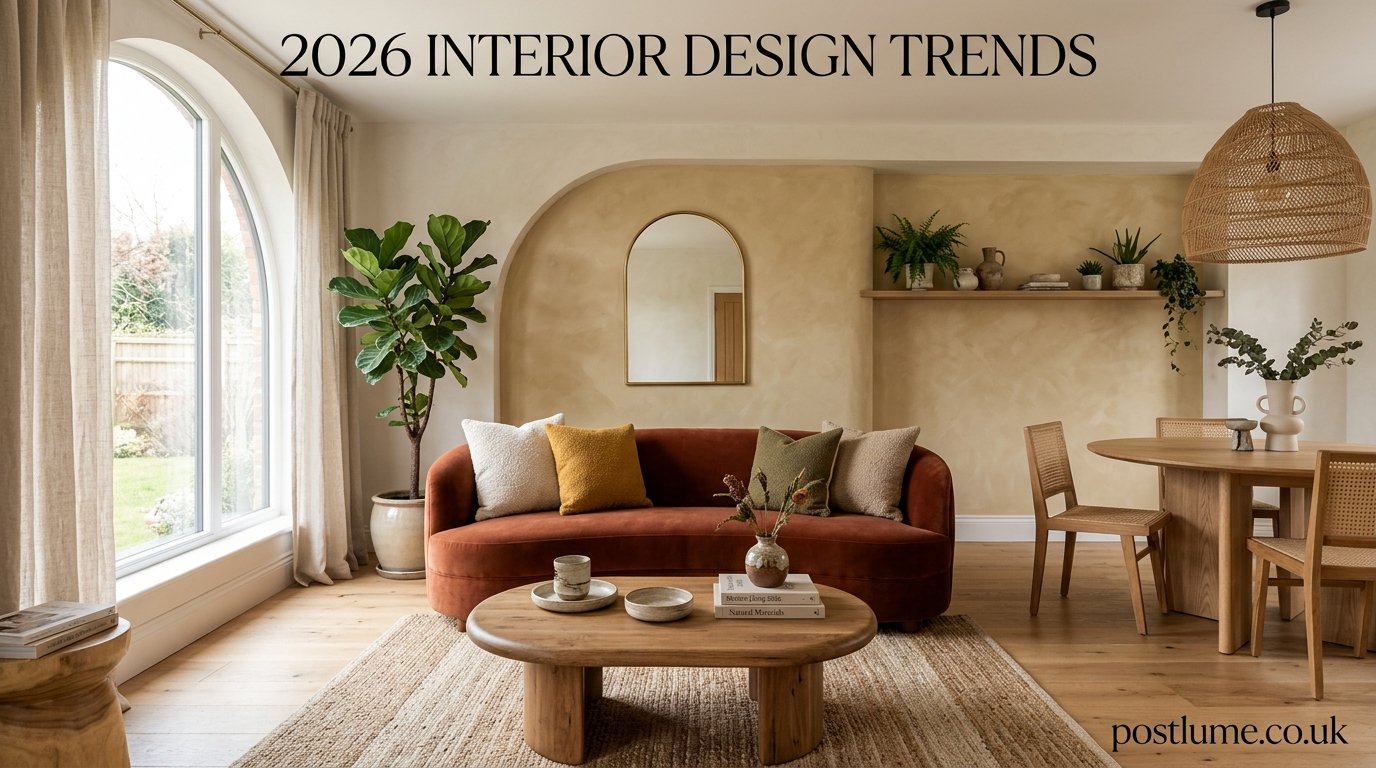
The 2026 interior design trends represent a major shift in how people think about their homes. Instead of focusing only on visual style, 2026 interior design trends is deeply connected to comfort, emotion, sustainability, and lifestyle. Homes are no longer just decorated spaces; they are becoming environments that actively support wellbeing, productivity, and mental balance.
Across industry reports and expert predictions, one clear direction stands out: interiors are moving away from cold minimalism and toward warmer, more expressive, and more personal spaces. Designers emphasize lived-in aesthetics, natural materials, and emotional comfort as core priorities for the year ahead.
Warm Minimalism and Comfortable Living Spaces
One of the strongest 2026 interior design trends is the rise of warm minimalism. Unlike traditional minimalism, which often feels sterile or overly simple, warm minimalism blends clean design with softness, texture, and inviting tones. This style focuses on making homes feel calm without removing personality or comfort.
Design experts explain that comfort is now a central design requirement, not just an added benefit. Spaces are being designed to feel good physically and emotionally, with softer lighting, rounded furniture, and cozy materials becoming essential elements of modern interiors.
Earthy Color Palettes and Moody Tones
Color direction in 2026 is shifting toward earthy, grounding shades. Instead of cool grays or stark whites, designers are embracing tones like terracotta, olive green, clay brown, and deep burgundy. These colors create a sense of warmth and emotional stability, which is becoming increasingly important in home design.
At the same time, moody interiors are also gaining popularity. Rich, darker tones are being used to add depth and sophistication, especially in living rooms, bedrooms, and feature walls. These palettes reflect a growing desire for homes that feel cocooning and emotionally supportive rather than purely decorative.
Natural Materials and Sustainable Interiors
Sustainability is one of the most important pillars of 2026 interior design trends. Designers and homeowners are prioritizing materials that are natural, long-lasting, and environmentally responsible. Wood, stone, clay, linen, and recycled materials are becoming central to modern interiors.
There is also a strong focus on craftsmanship and authenticity. Handmade elements and locally sourced materials are valued more than mass-produced décor. This shift reflects a broader cultural movement toward conscious consumption and long-term design thinking, where durability matters as much as appearance.
Textured Surfaces and Tactile Design
In 2026, texture plays a much bigger role in interior design than ever before. Smooth, flat surfaces are being replaced with layered, tactile materials that add depth and character to a space. Walls, furniture, and décor are all being designed to engage touch as well as sight.
Materials such as plaster finishes, woven fabrics, raw wood, and textured stone are becoming highly popular. Designers describe this as a “tactile luxury” movement, where interiors feel more sensory and natural. The goal is to create environments that feel alive and visually dynamic throughout the day.
Curved Furniture and Organic Shapes
Another major direction in 2026 interior design trends is the move toward organic, curved shapes. Sharp edges and rigid furniture designs are being replaced with softer silhouettes that feel more natural and relaxed. This includes curved sofas, rounded tables, and sculptural décor pieces.
These shapes are not only visually appealing but also psychologically comforting. Interior experts suggest that curved forms create a sense of flow and calm, making spaces feel less structured and more human-centered. This trend is especially popular in modern living rooms and open-plan spaces.
Maximalism Returns with Personal Expression
After years of minimal design dominance, maximalism is making a thoughtful return in 2026 interior design trends. However, this is not the chaotic maximalism of the past. Instead, it is more intentional, curated, and emotionally meaningful.
Homes are becoming more expressive, with layered décor, mixed textures, and personalized collections. Designers emphasize individuality, encouraging homeowners to display objects that reflect their personality and experiences. This shift reflects a broader cultural desire for authenticity and storytelling within interior spaces.
Biophilic Design and Nature-Inspired Homes
Biophilic design continues to grow strongly in 2026 interior design trends, focusing on bringing nature indoors. This includes the use of plants, natural light, organic materials, and nature-inspired patterns to create healthier living environments.
Homes are increasingly designed to improve wellbeing by connecting people with natural elements. Large windows, indoor gardens, and natural ventilation systems are becoming common features in modern architecture. This trend reflects the growing awareness of mental health and environmental connection in design.
Smart Homes and Invisible Technology
Technology is also shaping 2026 interior design trends, but in a subtle way. Instead of visible gadgets and devices, designers are integrating “invisible technology” into homes. This includes hidden speakers, built-in lighting systems, and smart climate control that blends seamlessly into interiors.
The goal is to make technology feel natural and unobtrusive. Homes are becoming smarter without looking overly technical, allowing design aesthetics to remain clean and elegant while still offering modern convenience.
Conclusion: The Future of Interior Design in 2026
The 2026 interior design trends show a clear evolution toward warmth, sustainability, and emotional comfort. Instead of chasing fast-changing styles, people are now focused on creating homes that feel personal, functional, and timeless.
From earthy color palettes and textured materials to curved furniture and biophilic design, every trend points toward a more human-centered approach. In 2026 interior design trends, the most successful interiors will not just look beautiful—they will feel meaningful, lived-in, and deeply connected to everyday life.
