




The New European is a British political and cultural newspaper that emerged shortly after the 2016 Brexit referendum. The publication was originally launched as a temporary “pop-up” newspaper designed to represent the nearly half of British voters who supported remaining in the new european Union. What began as a short-term publishing experiment quickly evolved into a widely recognized weekly political title with a loyal readership across the United Kingdom.
The newspaper became known for its strongly pro-European editorial perspective, thoughtful political commentary, and focus on liberal democratic values. Unlike many traditional British tabloids, The New European positioned itself as a publication centered on internationalism, European cooperation, and cultural openness. Readers interested in Brexit analysis, European politics, UK-EU relations, and progressive commentary rapidly embraced the paper after its launch.
Over time, the publication expanded beyond Brexit-related reporting into broader coverage of world affairs, economics, climate issues, media criticism, arts, and culture. Its editorial identity now combines political journalism with long-form opinion writing and intellectual commentary. This broader mission has helped the paper maintain relevance even as the Brexit debate evolved in the years following the referendum.
The Origins of The New European After Brexit
The creation of The New European was directly connected to the political shockwaves caused by the Brexit referendum in June 2016. Following the United Kingdom’s vote to leave the European Union, many pro-EU voters felt underrepresented within the British media landscape. The newspaper was launched only days later to provide an alternative editorial voice for readers disappointed by the referendum outcome.
The publication’s original tagline, “The New Pop-up Paper for the 48%,” referenced the percentage of British voters who chose to remain in the EU. Initially, the paper was expected to run for only four editions. However, strong sales and significant media attention encouraged its publishers to continue production beyond the planned short-term schedule. Early circulation figures reportedly exceeded expectations, demonstrating strong public demand for pro-European journalism.
Its launch represented more than simply a political response to Brexit. The newspaper also reflected growing frustration with polarization, nationalism, and populist rhetoric within sections of British media. Readers viewed The New European as a platform for thoughtful debate, international cooperation, and evidence-based journalism during a politically divided period in modern British history.
Editorial Direction and Political Identity
The New European developed a distinct editorial identity rooted in liberal democratic principles and support for closer European cooperation. The publication consistently criticized hard Brexit policies while promoting discussions around human rights, economic interconnectedness, immigration, and democratic institutions. This ideological clarity helped the newspaper build a highly engaged audience.
Founder Matt Kelly played a central role in shaping the publication’s tone and direction. His editorial strategy combined serious political analysis with accessible writing, humor, and cultural commentary. Rather than functioning as a traditional partisan newspaper, The New European attempted to position itself as intellectually curious and internationally minded. This approach distinguished it from more confrontational or sensational political media outlets.
The publication’s political orientation also influenced its contributor network. Over the years, journalists, academics, authors, and commentators associated with pro-European and centrist perspectives frequently contributed articles and essays. Topics expanded beyond Brexit into wider debates about democracy, misinformation, nationalism, and Europe’s evolving political future.
How The New European Built a Loyal Audience
One of the most impressive aspects of The New European’s growth was its ability to cultivate a dedicated readership despite operating in a highly competitive media market. Readers were drawn not only to the publication’s political stance but also to its editorial style, which emphasized thoughtful commentary over aggressive tabloid tactics. Many subscribers viewed the newspaper as a community as much as a media product.
The newspaper also benefited from strong emotional engagement among readers who felt politically alienated after Brexit. For many supporters, buying the publication became symbolic of maintaining a European identity even after the referendum result. This emotional connection strengthened reader loyalty and contributed to the publication’s survival beyond its original temporary purpose.
Digital transformation further helped expand its audience reach. The New European increasingly invested in online journalism, podcasts, newsletters, and social media engagement. As print media across the industry faced economic challenges, the publication adapted by focusing on direct audience relationships and subscription-driven journalism rather than relying heavily on advertising revenue.
Coverage Beyond Brexit and European Politics

Although Brexit initially defined the publication’s identity, The New European gradually broadened its editorial scope. The newspaper began covering international affairs, climate policy, social justice issues, cultural debates, and economic transformation. This wider range of topics helped ensure long-term relevance as public attention shifted away from the immediate Brexit negotiations.
The publication also developed a strong cultural journalism section featuring book reviews, arts criticism, music commentary, and essays about modern society. This combination of politics and culture gave the newspaper a distinctive voice compared to purely news-focused publications. Readers interested in intellectual discussion often appreciated the publication’s willingness to examine social and philosophical questions alongside current events.
Another important aspect of its evolution involved addressing broader global trends such as authoritarianism, misinformation, nationalism, and democratic decline. Editors increasingly framed these issues as international challenges rather than purely British political concerns. This shift reflected changing political realities across Europe and beyond.
The Transition From The New European to The New World
In 2025, the publication announced a major rebranding initiative, changing its name from The New European to “The New World.” The decision reflected a broader editorial mission extending beyond Europe-focused political commentary. According to company leadership, the rebrand aimed to address global cultural and political developments while maintaining the publication’s core values.
Founder Matt Kelly explained that the political battles originally associated with Brexit had expanded into wider international debates surrounding democracy, nationalism, and global cooperation. The new branding attempted to position the publication as a broader intellectual and political platform capable of discussing worldwide developments rather than solely European affairs.
The transition generated discussion among readers and media analysts. Some longtime supporters viewed the original title as deeply connected to the emotional aftermath of Brexit and feared losing part of the publication’s identity. Others welcomed the change, arguing that modern political journalism increasingly requires a global perspective rather than a narrowly regional one.
The Business Model Behind The Publication
The New European’s business strategy has attracted attention within the media industry because it achieved sustainability despite launching during a difficult period for print journalism. Unlike many struggling newspapers, the publication relied heavily on subscriptions, memberships, and reader loyalty instead of depending primarily on advertising revenue.
In 2021, a consortium of investors and media executives acquired the publication from Archant. The ownership group included respected figures from journalism and business, strengthening confidence in the paper’s long-term direction. This management-led buyout helped secure editorial independence while supporting future digital expansion.
The publication also embraced community-supported journalism. Membership programs offered readers opportunities to contribute financially while receiving additional content and benefits. This direct relationship between publication and audience became increasingly important as trust in traditional media institutions continued evolving across the broader journalism industry.
Why The New European Became Influential in UK Media
The New European became influential partly because it successfully identified an underserved political audience during a period of intense national division. While many mainstream newspapers supported Brexit or adopted strongly nationalist editorial positions, this publication offered a distinctly internationalist alternative. Its existence demonstrated that substantial demand remained for pro-European journalism within the United Kingdom.
Its influence extended beyond circulation numbers. The newspaper helped shape conversations around Brexit, democratic values, media ethics, and Britain’s future relationship with Europe. Journalists and commentators associated with the publication frequently appeared on television panels, podcasts, and public debates discussing contemporary politics.
The paper also gained recognition for maintaining a relatively optimistic editorial tone compared to more confrontational political media. Rather than focusing exclusively on outrage or ideological conflict, many articles emphasized civic engagement, cultural exchange, and constructive political discussion. This tone resonated strongly with readers seeking less sensational political coverage.
Criticism and Challenges Facing The Publication
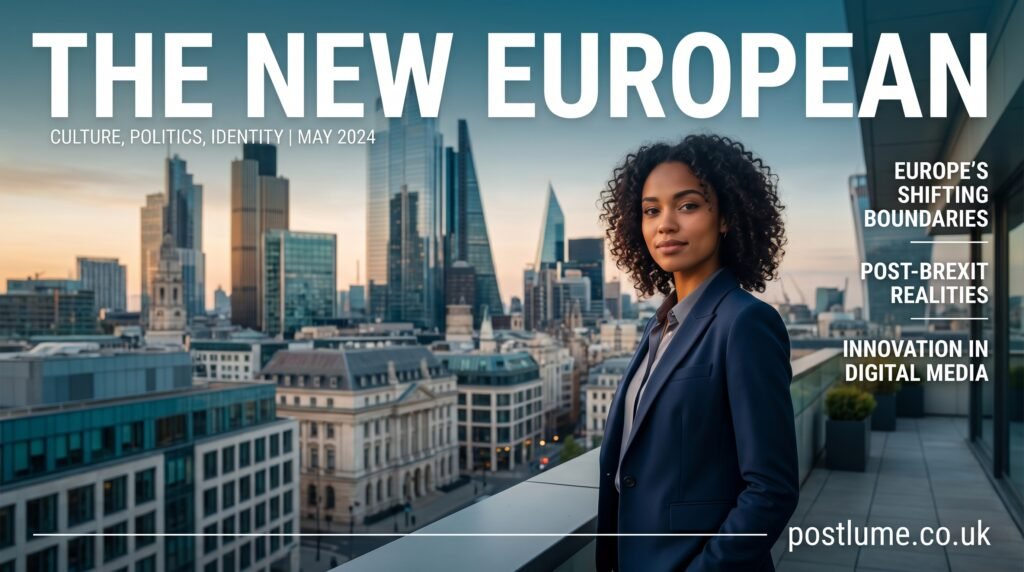
Despite its success, The New European has faced criticism from opponents who argue that the publication reflects elite liberal viewpoints disconnected from wider public concerns. Some critics describe the newspaper as overly ideological or insufficiently representative of working-class Brexit supporters. Such criticism reflects broader political tensions surrounding identity, globalization, and nationalism in modern Britain.
The newspaper also faces economic challenges common throughout the media industry. Print journalism continues experiencing declining circulation across many markets, forcing publishers to invest heavily in digital transformation and subscription models. Maintaining profitability while preserving editorial quality remains a difficult balancing act for independent publications.
Additionally, the gradual fading of Brexit as the dominant political issue created a strategic challenge for the publication. Expanding beyond European politics became necessary to sustain long-term growth. The rebranding to The New World represented an effort to evolve editorially while retaining the loyal audience that originally supported the paper.
The Future of The New European and Independent Political Journalism
The story of The New European reflects broader transformations occurring within modern journalism. Readers increasingly seek publications aligned with their values, intellectual interests, and political perspectives. At the same time, audiences also demand trustworthy reporting, thoughtful analysis, and transparency from media organizations. The publication’s success suggests that niche journalism with a clear editorial mission can still thrive in the digital era.
Its transition toward broader international coverage may help secure long-term relevance as global politics becomes increasingly interconnected. Issues such as climate change, migration, economic instability, artificial intelligence, and democratic resilience now extend far beyond national borders. Publications capable of examining these topics from international perspectives may continue attracting engaged readers.
Whether operating under its original name or evolving into The New World, the publication remains an important case study in modern political media. It demonstrates how journalism can emerge rapidly in response to major political events, build a dedicated audience, and adapt over time to changing cultural and political realities. For readers interested in European affairs, liberal democracy, and independent political commentary, The New European continues to represent a distinctive voice within British journalism.
