



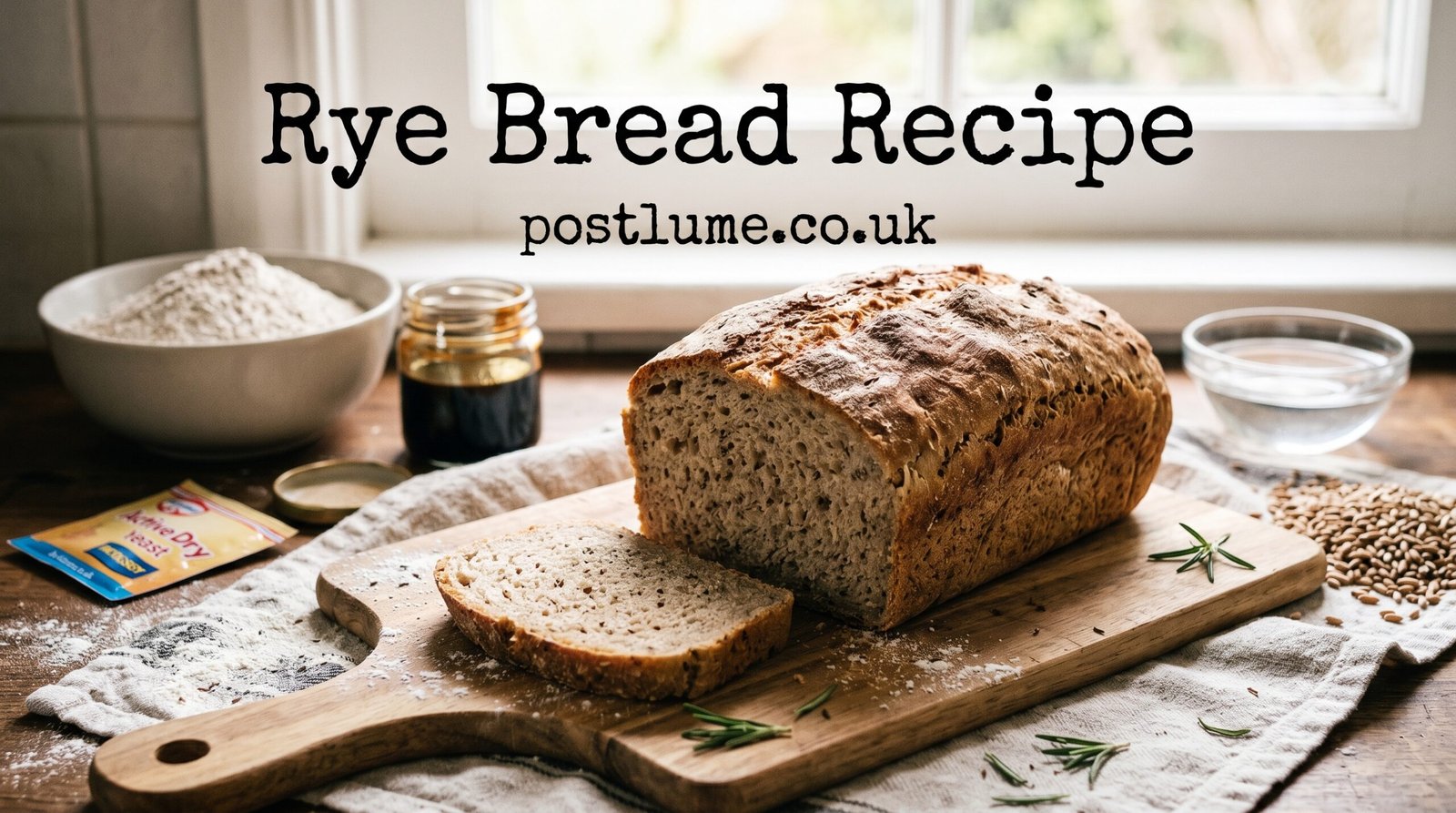
A rye bread recipe creates a loaf with a unique flavor, dense texture, and rich aroma that stands apart from ordinary white bread. Rye flour comes from rye grain, which has been used in European baking traditions for centuries. Unlike standard wheat bread, rye bread recipe often has an earthy, slightly tangy taste with a chewy crumb and darker appearance. Many people associate rye bread with deli sandwiches, hearty soups, and rustic bakery-style loaves.
One of the biggest differences between rye bread and wheat bread is gluten structure. Rye flour contains less gluten than all-purpose or bread flour, which means the dough behaves differently during mixing and rising. Instead of becoming extremely stretchy and airy, rye dough tends to feel stickier and denser. This characteristic is completely normal and contributes to the traditional texture people expect from homemade rye bread.
Many classic rye bread recipes combine rye flour with bread flour to create a softer loaf that still maintains the signature rye flavor. Ingredients like caraway seeds, molasses, cocoa powder, or sourdough starter are also commonly added to enhance flavor and color. Because of these variations, rye bread can range from light and soft sandwich bread to dark European-style artisan loaves.
Understanding Rye Flour and Its Baking Properties
Choosing the right rye flour is one of the most important parts of making successful rye bread. Bakers commonly use light rye flour, medium rye flour, or dark rye flour depending on the desired flavor and texture. Light rye flour produces softer, milder bread, while dark rye flour creates a stronger flavor and denser crumb. Whole grain rye flour also adds extra fiber and a more rustic appearance.
Rye flour absorbs water differently than wheat flour. The dough often feels wetter and stickier even when properly mixed. New bakers sometimes add too much extra flour because they expect rye dough to feel like traditional sandwich bread dough. However, adding too much flour can create heavy, dry bread instead of a moist loaf with tender texture.
Another important feature of rye flour is its natural flavor complexity. Rye has subtle nutty, earthy, and slightly sour notes that deepen during fermentation. This is why many traditional rye bread recipes rely on long proofing times or sourdough methods. Slow fermentation allows the grain’s flavor to develop fully while improving the final bread texture.
Essential Ingredients for a Traditional Rye Bread Recipe
Most homemade rye bread recipes use a combination of rye flour and bread flour. Bread flour helps strengthen the dough structure because rye alone does not create enough gluten for a high-rising loaf. Yeast, warm water, salt, and a sweetener like honey, sugar, or molasses are also standard ingredients in many recipes.
Caraway seeds are one of the most recognizable flavors in traditional rye bread. These small seeds add a warm, slightly peppery taste often associated with Jewish deli rye bread. While some people love the strong flavor, others prefer rye bread without caraway seeds. Both approaches are authentic depending on regional baking traditions and personal preference.
Some rye bread recipes include ingredients like cocoa powder, instant coffee, or dark molasses to deepen the loaf’s color and flavor. These additions are especially common in dark rye bread and pumpernickel-style recipes. Although these ingredients do not necessarily make the bread sweeter, they create the rich appearance and complexity many people expect from bakery-style rye loaves.
How to Mix and Knead Rye Bread Dough Properly
Mixing rye bread dough requires slightly different expectations compared to white bread dough. Because rye contains less gluten, the dough usually feels stickier and less elastic during kneading. This softer texture often surprises beginner bakers, but it is completely normal for homemade rye bread recipes.
Many bakers recommend using a stand mixer because rye dough can be difficult to handle by hand. However, hand mixing also works well if the dough is handled gently. Over-kneading rye bread can actually damage its texture, especially in recipes with high percentages of rye flour. Instead of trying to achieve a perfectly smooth dough, focus on combining the ingredients evenly and developing moderate structure.
Hydration is another important factor during mixing. Rye flour absorbs moisture slowly, so the dough may seem overly wet at first before thickening during resting periods. Allowing the dough to rest briefly after mixing helps the flour fully absorb the liquid and improves overall texture in the final loaf.
The Importance of Fermentation and Proofing
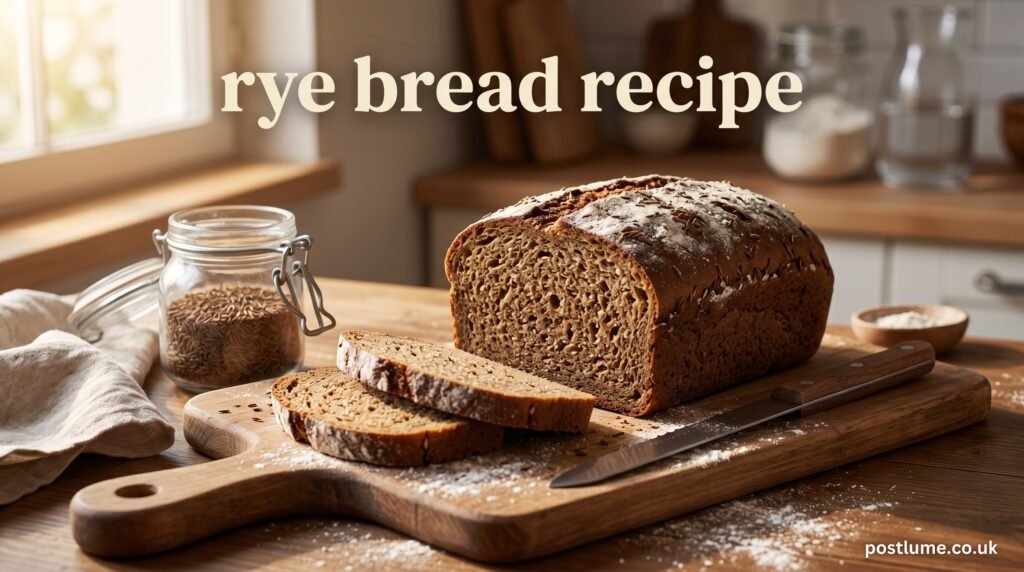
Fermentation plays a major role in creating flavorful rye bread. During proofing, yeast produces gas that helps the dough rise while also developing deeper flavor compounds. Because rye flour ferments differently than wheat flour, rye bread often benefits from slower proofing times.
Many traditional rye bread recipes use sourdough starter instead of commercial yeast. Sourdough fermentation adds a subtle tangy flavor that complements rye grain beautifully. It also improves texture and shelf life. In Northern and Eastern European baking traditions, sourdough rye bread remains especially popular because of its rich taste and hearty structure.
Proofing rye dough requires careful observation rather than strict timing. Over-proofed rye bread can collapse because the weaker gluten structure cannot support excessive expansion. Under-proofed dough, meanwhile, produces dense bread with poor texture. Experienced bakers often watch for gentle expansion and slight softness rather than expecting the dough to double dramatically like white bread dough.
Baking Rye Bread for the Best Texture and Crust
The baking stage transforms rye dough into a deeply aromatic loaf with rich crust and chewy crumb. Many bakers prefer using a Dutch oven or baking stone because these tools help maintain consistent heat and steam during baking. Steam is especially important because it keeps the crust flexible early in the bake, allowing proper expansion.
Rye bread often bakes longer than standard sandwich bread because of its denser structure and higher moisture content. A properly baked loaf should feel firm with a hollow sound when tapped lightly on the bottom. Internal temperature also helps determine doneness, with many bakers aiming for around 200 to 210 degrees Fahrenheit.
Cooling is another crucial step that many people overlook. Fresh rye bread continues setting internally after leaving the oven. Cutting into the loaf too early can create a gummy texture because moisture has not fully redistributed. Allowing the bread to cool completely helps improve slice quality and overall texture.
Popular Types of Rye Bread Around the World
Rye bread exists in many forms across different cultures and baking traditions. Jewish rye bread, popular in American delis, typically combines rye flour with bread flour and caraway seeds. This version creates a relatively soft sandwich loaf ideal for pastrami, corned beef, and Reuben sandwiches.
Scandinavian rye bread tends to be denser and darker. Danish rugbrød, for example, is a heavy whole grain rye bread packed with seeds and often baked using sourdough starter. German pumpernickel bread is another famous rye variety known for its dark color, long baking process, and slightly sweet flavor profile.
Eastern European countries also maintain strong rye bread traditions. Russian black bread, Polish rye bread, and Lithuanian rye loaves often use fermented starters and dark rye flour to create deep flavor and chewy texture. These breads are commonly served alongside soups, smoked fish, cured meats, and hearty winter dishes.
Common Mistakes When Making Rye Bread at Home
One of the most common mistakes in rye bread baking is adding too much flour during kneading. Because rye dough naturally feels sticky, beginners often assume something is wrong and continue incorporating flour until the dough becomes stiff. Unfortunately, this usually results in dry, dense bread instead of moist homemade rye bread.
Another frequent issue is over-proofing. Rye dough lacks the strong gluten network needed to support excessive expansion, so overly risen dough can collapse during baking. Paying attention to dough texture and gentle volume increase is more important than following exact proofing times from recipes.
Improper slicing also causes problems. Rye bread requires full cooling before cutting because the crumb structure continues stabilizing after baking. Many online baking communities emphasize patience during cooling because cutting warm rye bread often creates gummy or compressed slices.
Health Benefits and Nutrition of Rye Bread
rye bread recipe is often considered more nutritious than many white breads because rye grain contains fiber, minerals, and complex carbohydrates. Whole grain rye bread recipe especially provides dietary fiber that supports digestion and helps create longer-lasting fullness after meals. This is one reason rye bread is popular among people seeking hearty, satisfying foods.
Rye also has a lower glycemic impact than some refined wheat breads, meaning it may help maintain steadier blood sugar levels. Many nutrition-focused bakers choose homemade rye bread recipe recipes because they can control ingredients and avoid unnecessary additives commonly found in store-bought loaves.
The fermentation process used in sourdough rye bread recipe may also improve digestibility for some people. Slow fermentation partially breaks down compounds within the grain and contributes beneficial flavor development. While rye still contains gluten and is not suitable for gluten-free diets, many people find properly fermented rye bread recipe easier to digest than heavily processed commercial bread products.
Why Homemade Rye Bread Is Worth the Effort
Making rye bread recipe at home requires patience, but the results are rewarding. Freshly baked rye bread delivers flavor, aroma, and texture that are difficult to match with store-bought loaves. The smell of toasted caraway seeds, warm crust, and fermented grain creates a comforting bakery experience right in your own kitchen.
Homemade rye bread recipe also offers flexibility. Bakers can adjust flour ratios, seed levels, hydration, sweetness, and fermentation methods to create custom loaves suited to personal taste. Some people prefer soft sandwich rye bread recipe, while others enjoy dense artisan sourdough rye with strong earthy flavor. Home baking allows complete control over the final result.
As interest in traditional baking continues growing, rye bread recipe remain increasingly popular among home bakers seeking rustic, flavorful breads with cultural history and nutritional value. Whether enjoyed with soup, deli meats, smoked salmon, or simply buttered while warm, rye bread recipe continues holding a special place in kitchens around the world because of its timeless flavor and satisfying texture.
