



Some television characters disappear once the credits roll. Others stay in conversations, fashion trends, memes, and personality quizzes for years. Few fictional figures have managed that kind of staying power quite like blair waldorf.
From perfectly coordinated headbands to sharp one-liners and ambitious life goals, this Upper East Side queen transformed from a TV character into a cultural symbol. Years after audiences first met her, people still copy her outfits, analyze her relationships, and debate whether she was secretly the real star of teen drama television.
What makes a fictional socialite remain relevant for so long? The answer goes beyond expensive clothes and dramatic storylines. It comes down to identity, confidence, growth, and a personality that felt larger than life while still being relatable.
The Rise of an Unforgettable Character
When audiences first entered Manhattan’s elite social scene, viewers expected glamour and drama. What they got was a layered personality who balanced vulnerability with confidence.
Several things made this character memorable:
- Strong ambition and leadership skills
- Distinctive personal style
- Memorable dialogue
- Complex friendships
- Romantic storylines that sparked debate
- Emotional growth throughout multiple seasons
Unlike many teen characters written as one-dimensional stereotypes, she had strengths and flaws. She could be loyal one moment and ruthless the next.
That unpredictability kept viewers invested.
Why Blair Waldorf Became a Fashion Phenomenon
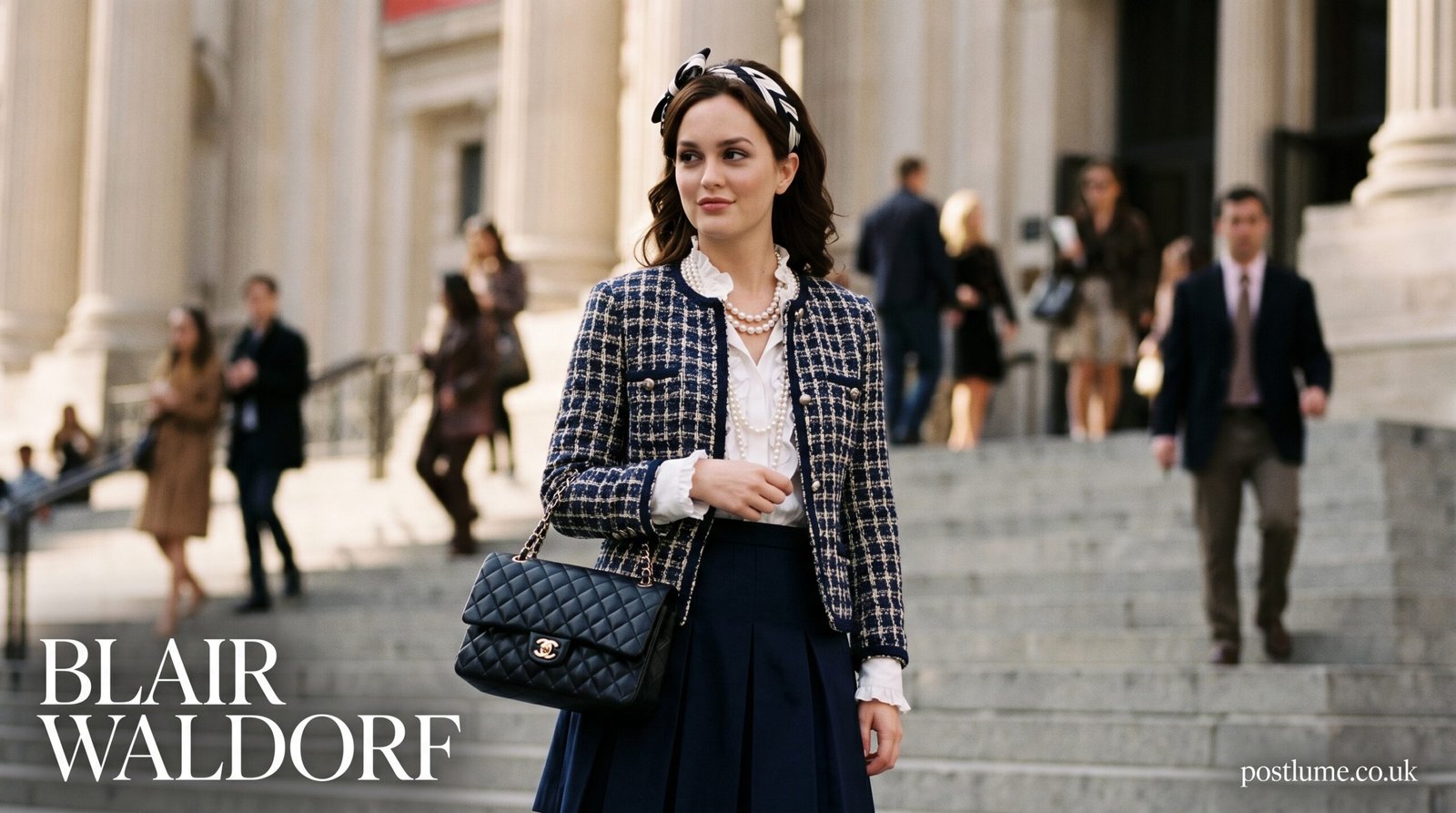
Fashion is one reason this character remains relevant. Her wardrobe created an instantly recognizable visual identity.
Signature Style Elements
| Style Element | Why It Worked | Lasting Influence |
|---|---|---|
| Headbands | Created a signature look | Inspired accessories trends |
| Structured coats | Polished appearance | Influenced preppy fashion |
| Plaid patterns | Classic but youthful | Became wardrobe staples |
| Statement handbags | Luxury appeal | Fashion inspiration |
| Layered outfits | Sophisticated styling | Social media recreations |
Her style combined old-money elegance with youthful experimentation.
People loved that the clothing choices told a story. Every outfit reflected mood, power, or social status.
The Preppy Revival Effect
Years after the original series aired, trends inspired by elite-school aesthetics returned:
- Pleated skirts
- Knee-high socks
- Tweed jackets
- Pearl accessories
- Classic silhouettes
- Neutral color palettes
Fashion creators still borrow heavily from these visual themes because they feel timeless.
Personality Traits That Made Her Stand Out
Fashion created first impressions. Personality built the fan base.
Ambition Without Apology
One reason audiences connected with her was simple: she wanted success.
She pursued goals aggressively:
- Academic achievements
- Social leadership
- Career ambitions
- Personal influence
- Romantic fulfillment
Many female characters historically faced criticism for being openly ambitious. Here, ambition became part of the appeal.
Confidence Mixed With Insecurity
Perfect characters are boring.
Interesting characters have contradictions.
She often projected confidence while struggling internally with:
- Family pressure
- Social expectations
- Competition
- Self-worth
- Fear of failure
Those struggles created emotional depth.
Loyalty and Rivalry
Relationships helped define her journey.
Friendships shifted between:
- Supportive moments
- Competition
- Forgiveness
- Betrayal
- Personal growth
These complicated dynamics mirrored real-life friendships more than idealized television relationships.
Why Blair Waldorf Still Influences Social Media
Aesthetic Culture Loves Distinct Identities
Modern internet culture thrives on recognizable aesthetics.
This character fits perfectly into categories people love sharing:
- Old money style
- Academic fashion
- Luxury lifestyle inspiration
- Feminine confidence
- Classic beauty trends
Short videos and photo-sharing platforms constantly revive scenes, quotes, and outfits.
Memes Keep Characters Alive
Memes transformed television moments into ongoing conversations.
Common themes include:
- Confidence quotes
- Relationship drama
- Academic stress humor
- Luxury jokes
- Friendship commentary
The ability to adapt scenes into modern humor helps maintain relevance.
Character Development Across the Series
Strong development separates memorable characters from temporary favorites.
Early Seasons
At first, viewers saw:
- Social power struggles
- Competitive behavior
- Status obsession
- Emotional defensiveness
These traits created drama but also established room for growth.
Middle Seasons
Gradually, audiences noticed:
- Increased maturity
- Career exploration
- Emotional vulnerability
- Greater self-awareness
Later Storylines
Later arcs emphasized:
- Personal identity
- Long-term goals
- Relationships beyond status
- Independence
Growth made the journey satisfying.
Key Features That Made the Character Iconic
1. Unique Dialogue
Sharp humor became a defining trait.
Memorable dialogue worked because it mixed:
- Sarcasm
- Intelligence
- Confidence
- Humor
2. Strong Visual Branding
Many fictional figures lack instantly recognizable looks.
Here, viewers could identify the character through:
- Hair accessories
- Designer-inspired clothing
- Elegant styling
- Consistent aesthetics
3. Emotional Complexity
Characters last when audiences see multiple sides.
Fans witnessed:
- Confidence
- Jealousy
- Love
- Ambition
- Fear
- Growth
Benefits for Entertainment Brands and Businesses
This section matters because iconic characters create business opportunities.
Merchandising Potential
Strong visual identities support:
- Clothing collections
- Accessories
- Cosmetics inspiration
- Limited-edition collaborations
Streaming Value
Popular legacy characters increase:
- Rewatch numbers
- Subscription retention
- Fan communities
- Social engagement
Fashion Marketing Opportunities
Luxury and lifestyle brands benefit from nostalgic associations.
Brands often use similar themes:
- Prestige aesthetics
- Exclusivity
- Sophistication
- Aspiration
Why Choose Character-Driven Storytelling?
Stories become stronger when characters feel real.
Benefits include:
Better Audience Connection
Viewers remember personalities more than plots.
Higher Engagement
People discuss:
- Relationships
- Decisions
- Motivations
- Style choices
Longer Lifespan
Strong characters survive long after shows end.
Pop Culture Lessons From This Character
Writers, creators, and marketers can learn several things.
Consistency Matters
Recognizable traits create memorable identities.
Flaws Create Depth
Perfection rarely connects emotionally.
Style Supports Storytelling
Visual identity reinforces personality.
Growth Keeps Audiences Invested
Static characters lose relevance.
The Lasting Appeal of Luxury Escapism
Part of the fascination comes from fantasy.
Audiences enjoy experiences outside everyday life:
- Designer fashion
- Private schools
- Elite events
- Wealthy lifestyles
- Exclusive social circles
However, fantasy alone isn’t enough.
People stayed because emotions felt familiar.
Common Misconceptions
“She Was Just Mean”
This oversimplifies the character.
Reality included:
- Compassion
- Loyalty
- Personal growth
- Vulnerability
“Style Was the Only Appeal”
Fashion mattered, but personality created emotional investment.
“The Character Wouldn’t Work Today”
Modern audiences still embrace ambitious, layered personalities.
Cultural Impact Years Later
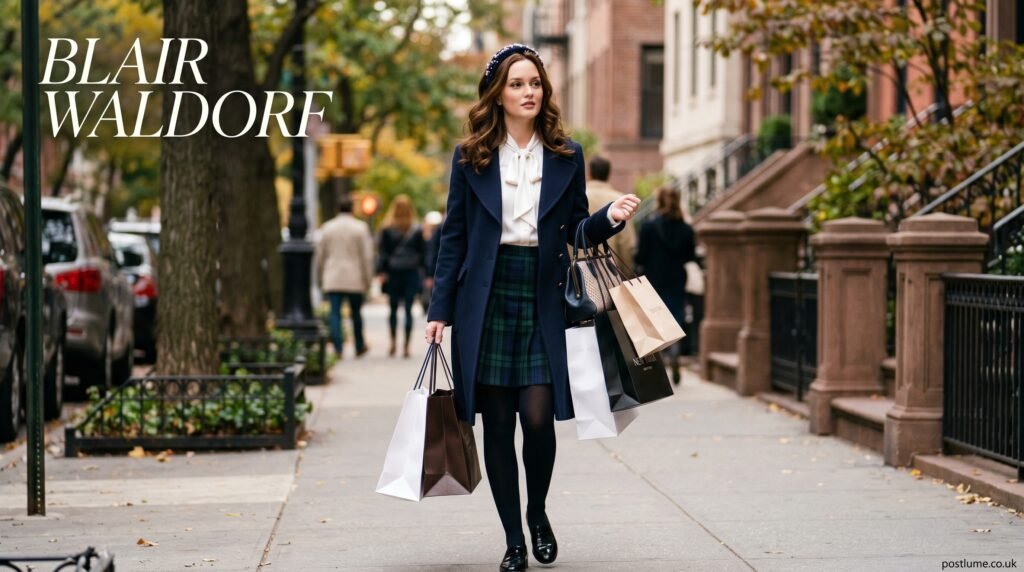
Long-term influence appears through:
- Fashion recreations
- Viral clips
- Fan edits
- Character rankings
- Halloween costumes
- Lifestyle inspiration
Very few television personalities maintain this level of relevance.
That staying power says a lot.
Conclusion: Why Blair Waldorf Still Matters
Years after viewers first watched elite social drama unfold, blair waldorf remains a reference point for fashion, ambition, and memorable storytelling.
Her influence stretches beyond television into aesthetics, internet culture, and discussions about female ambition. More importantly, the character proved audiences connect with people who are complicated rather than perfect.
Whether someone remembers the iconic outfits, witty comments, or emotional growth, one thing remains clear: memorable characters survive because they evolve with their audience.
If you enjoy stories built around personality, style, and ambition, exploring iconic television characters can reveal why some become trends while others become legends.
FAQs
Who is blair waldorf?
She is a fictional television character known for ambition, fashion influence, social leadership, and memorable storylines within an elite New York setting.
Why is she considered a fashion icon?
Her signature accessories, polished outfits, and preppy aesthetic created trends that remain popular today.
Why do people still talk about this character?
Strong writing, emotional complexity, and internet culture helped keep discussions alive years after the series ended.
What personality traits made her memorable?
Confidence, ambition, intelligence, competitiveness, loyalty, and vulnerability all contributed to her popularity.
Does the character still influence modern fashion?
Yes. Many current trends involving preppy styling, luxury aesthetics, and classic accessories reflect similar influences.
