



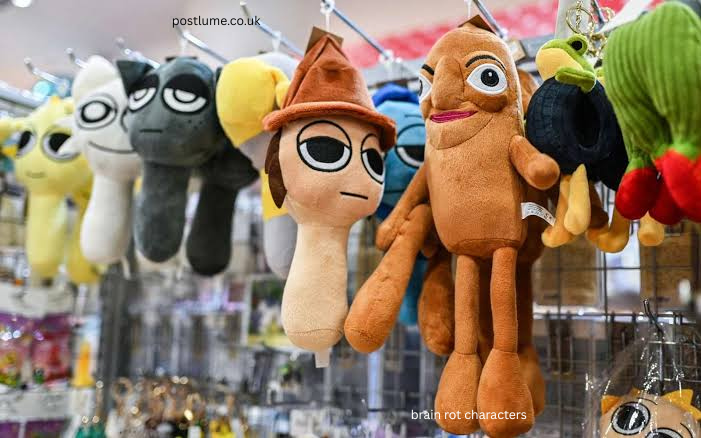
If you’ve spent even a few minutes scrolling through TikTok, YouTube Shorts, Instagram Reels, or X, you’ve probably encountered brain rot characters without even realizing it. They’re loud, unforgettable, strangely addictive, and impossible to escape once the algorithm decides you need to see them. Whether it’s an over-the-top cartoon personality, a chaotic meme icon, or a fictional figure transformed by internet humor, these characters become part of online culture almost overnight.
What makes them so fascinating isn’t just their popularity. It’s the way they evolve through memes, remixes, edits, reaction videos, and fan-created content. A simple character can become an internet legend thanks to creative communities that constantly reinvent jokes and trends.
In this guide, we’ll explore what these viral personalities are, why brain rot characters spread so quickly, what features make them memorable, and how brands, creators, and businesses can learn from this unique corner of digital culture.
What Are Brain Rot Characters?
The phrase refers to fictional or internet personalities that become so repetitive, entertaining, or absurd that people jokingly say they’ve “rotted” their brains. Rather than being offensive, the term is usually used humorously to describe content that’s impossible to stop watching.
These characters often appear across:
- TikTok trends
- Viral memes
- Animated clips
- Gaming communities
- Discord conversations
- Twitch streams
- YouTube edits
- Instagram reels
- Fan animations
- Short-form comedy
Their popularity comes from constant repetition. Even people unfamiliar with the original source eventually recognize the catchphrases, expressions, or signature sounds associated with them.
Why Do These Characters Become So Popular?
Internet culture rewards content that’s easy to recognize and even easier to remix.
Several factors contribute to their explosive popularity.
Instantly Recognizable
Most successful viral personalities have exaggerated expressions, unique voices, or memorable visual designs.
Examples include:
- Distinctive facial expressions
- Funny sound effects
- Catchphrases
- Dramatic reactions
- Bright colors
- Over-the-top personalities
People remember them after only a few seconds.
Endless Remix Potential
Modern meme culture thrives on adaptation.
A single animation might become:
- A reaction GIF
- A remix
- A parody
- A green-screen template
- A reaction image
- A sound trend
- A meme format
Every new version introduces the character to another audience.
Community Participation
Fans don’t simply consume content.
Brain rot characters create:
- Fan art
- Animation edits
- Cosplay
- Meme compilations
- Voice impressions
- Music remixes
- AI-generated jokes
- Character rankings
This constant participation keeps the trend alive.
Common Types of Viral Internet Personalities
Although every trend feels unique, most fall into recognizable categories.
| Category | Description |
|---|---|
| Cartoon icons | Animated characters that become meme templates |
| Gaming personalities | NPCs, stream moments, or playable characters |
| Anime favorites | Characters transformed into humorous edits |
| Mascots | Brand or game mascots turned into memes |
| Internet originals | Characters created specifically for social media |
| CGI creations | Strange digital figures designed for short videos |
| AI-generated personalities | Artificially created characters with absurd humor |
Each category contributes differently to internet humor.
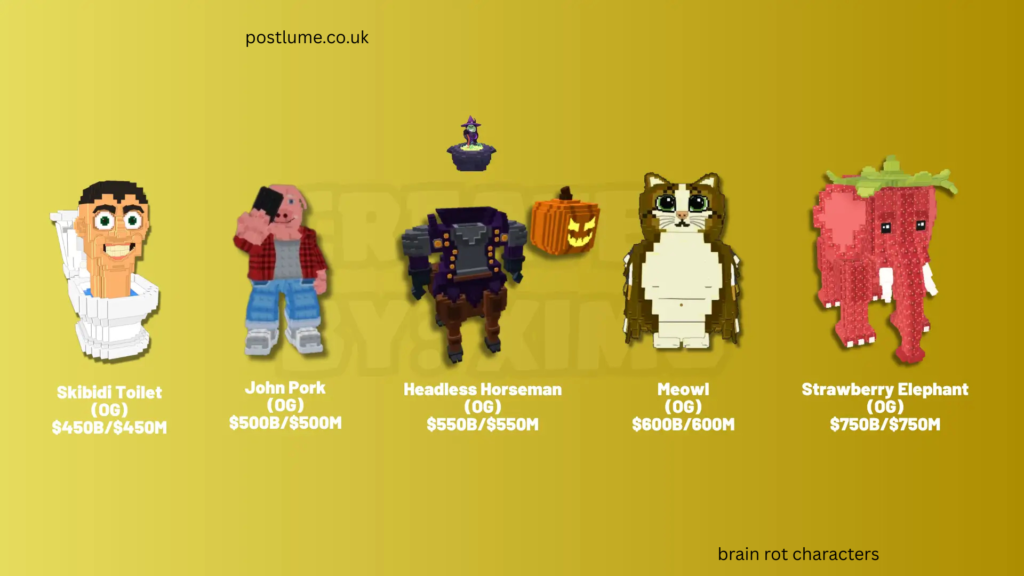
Brain Rot Characters in Meme Culture
The Power of Repetition
One reason these personalities remain popular is simple repetition.
A funny clip viewed once may be entertaining.
After seeing:
- 50 edits
- 200 memes
- countless reactions
- remix compilations
the character becomes permanently associated with internet culture.
Ironically, overexposure often increases popularity rather than reducing it.
Shared Internet Language
Online communities develop inside jokes.
Eventually people communicate using:
- reaction images
- looping GIFs
- sound effects
- quote references
- exaggerated expressions
Understanding these references becomes part of belonging to online communities.
Why Younger Audiences Love Them
Generation Z and Generation Alpha consume content differently than previous generations.
Instead of watching long videos, they often enjoy:
- 15-second clips
- quick edits
- visual comedy
- absurd humor
- layered irony
- chaotic storytelling
These fast-paced formats perfectly match today’s recommendation algorithms.
As attention spans shift toward bite-sized entertainment, memorable personalities naturally dominate feeds.
Key Features That Make Characters Go Viral
Strong Visual Identity
Successful characters usually feature:
- bold colors
- unique clothing
- recognizable silhouettes
- expressive faces
- exaggerated animation
People identify them instantly.
Catchphrases
Many internet personalities become famous because of one unforgettable line.
Even viewers unfamiliar with the original source begin repeating it.
Emotional Reactions
The funniest characters usually exaggerate emotions such as:
- confusion
- excitement
- anger
- panic
- confidence
- awkwardness
These exaggerated emotions work perfectly as reaction memes.
Easy to Edit
Creators love content that’s simple to transform.
Characters with transparent backgrounds, looping animations, or clear facial expressions become editing favorites.
Why Choose These Characters for Online Content?
For creators, marketers, and entertainment brands, understanding meme-driven personalities provides several advantages.
Higher Engagement
People naturally interact with familiar internet references.
This often increases:
- comments
- shares
- reposts
- saves
- watch time
Better Audience Recognition
Recognizable humor helps creators build stronger relationships with audiences already immersed in meme culture.
Creative Storytelling
These personalities simplify storytelling because viewers already understand their personality traits.
Instead of lengthy introductions, creators jump directly into jokes.
Key Features That Keep Them Relevant
Internet favorites rarely stay popular because of a single viral moment.
Instead, they survive through continuous adaptation.
Important characteristics include:
Adaptability
Characters appear in:
- crossover memes
- fan animations
- gaming edits
- music videos
- livestream jokes
- parody trailers
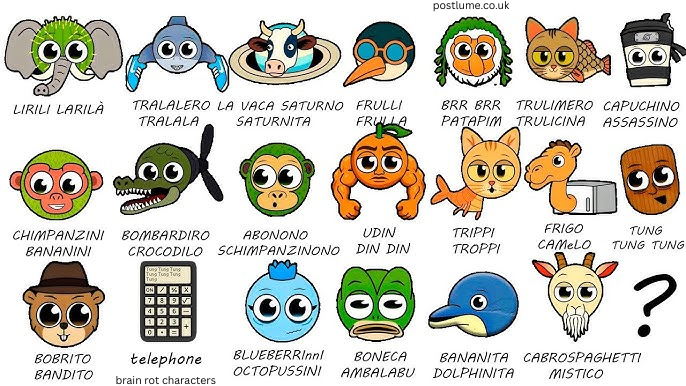
Community Creativity
Fan communities continually produce:
- artwork
- animations
- comics
- voice acting
- music remixes
Fresh content prevents trends from disappearing.
Algorithm Support
Platforms reward engagement.
Once a character generates:
- likes
- shares
- comments
- remixes
recommendation systems continue showing related content.
Benefits for Businesses
Although internet memes may seem random, businesses increasingly use them to connect with younger audiences.
Improved Brand Awareness
Humorous content often receives more organic exposure than traditional advertisements.
Better Social Media Reach
Creative meme-inspired campaigns encourage users to share posts voluntarily.
Increased Community Interaction
Brands that understand internet humor often build stronger online communities.
However, authenticity matters.
Forced memes usually perform poorly.
Trend Participation
Companies can participate through:
- parody videos
- reaction posts
- themed campaigns
- seasonal memes
- playful comments
Timing is essential because meme cycles move quickly.
How Content Creators Use Viral Characters
Many successful creators build entire channels around internet personalities.
Popular formats include:
Commentary Videos
Creators explain:
- meme origins
- internet history
- viral evolution
- hidden references
Animation
Artists redesign familiar personalities in different styles.
Examples include:
- pixel art
- anime versions
- realistic CGI
- clay animation
- comic adaptations
Gaming Content
Gamers frequently recreate meme moments inside games through mods, roleplay, or custom skins.
How Trends Change Over Time
Internet culture moves incredibly fast.
A personality might become famous within days and disappear weeks later.
However, a few become timeless.
These long-lasting icons usually share several qualities:
- broad appeal
- flexible humor
- recognizable design
- active communities
- continuous remixes
Classic internet memes often resurface years later when a new generation discovers them.
The Psychology Behind Internet Obsession
Researchers studying online behavior often point to several psychological reasons behind viral popularity.
Familiarity Creates Comfort
Repeated exposure makes content feel familiar.
People naturally prefer familiar experiences.
Shared Humor Builds Communities
Inside jokes strengthen group identity.
When millions recognize the same meme, it creates a sense of belonging.
Quick Entertainment
Modern audiences appreciate humor that delivers instant gratification.
Short clips satisfy this preference perfectly.
Examples of Traits Shared by Popular Internet Icons
Although specific trends constantly change, successful personalities usually share similar characteristics.
| Trait | Why It Works |
|---|---|
| Funny expressions | Easy reaction images |
| Distinct voice | Memorable audio clips |
| Simple design | Easier fan art |
| Strong personality | Recognizable behavior |
| Meme flexibility | Endless remix opportunities |
| Emotional exaggeration | Better comedy timing |
These characteristics consistently appear across many viral sensations.
Can Internet Fame Last Forever?
Not every trend disappears.
Some personalities become permanent parts of internet history.
Longevity often depends on:
- nostalgic value
- community support
- ongoing fan creativity
- cultural relevance
- media adaptations
Characters connected to popular games, animation, or streaming communities tend to remain recognizable much longer.
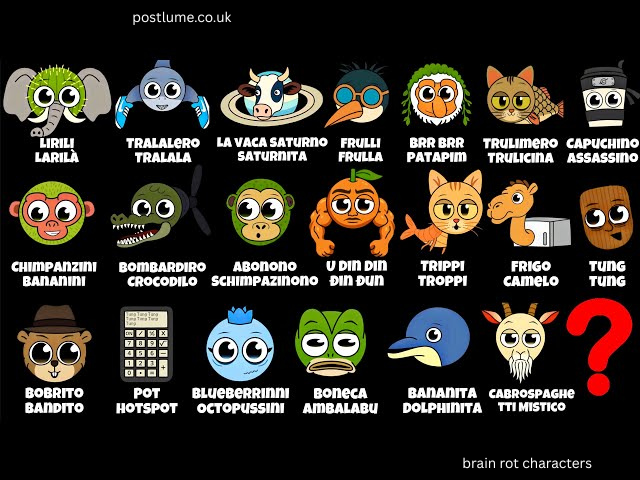
Tips for Following New Meme Trends
If you enjoy internet culture, staying updated is easier than ever.
You can:
- Watch trending short videos.
- Follow animation creators.
- Join gaming communities.
- Browse meme forums.
- Explore fan art collections.
- Monitor social media trends.
- Participate in community discussions.
Being active within online communities helps you understand jokes before they become mainstream.
Frequently Asked Questions
What are brain rot characters?
They are fictional, animated, gaming, or internet personalities that become extremely popular through memes, short-form videos, remixes, and online communities. Their repetitive and humorous nature makes them instantly recognizable.
Why do these characters become viral?
They spread because they’re visually memorable, easy to remix, emotionally expressive, and frequently shared across platforms like TikTok, YouTube Shorts, Instagram, and gaming communities.
Are they only from cartoons?
No. They can originate from video games, anime, livestreams, internet animations, AI-generated media, social platforms, or completely original online creations.
Why do younger audiences enjoy them?
Fast-paced humor, visual comedy, internet irony, and short-form entertainment match the way younger audiences consume digital content today.
Can businesses benefit from internet meme culture?
Yes. Brands that participate naturally and respectfully can increase engagement, strengthen community interaction, and improve social media visibility by understanding online humor.
Conclusion
The rise of brain rot characters reflects how modern internet culture transforms ordinary fictional personalities into global phenomena. Through memes, remixes, fan art, reaction videos, and creative storytelling, these characters become far more than simple entertainment—they become shared experiences that connect millions of people online.
For creators, marketers, and businesses, understanding why these trends succeed offers valuable lessons in engagement, community building, and digital storytelling. As online culture continues to evolve, new viral personalities will undoubtedly emerge, but the core formula remains the same: memorable design, relatable humor, and endless opportunities for creative participation. Whether you’re exploring meme culture for fun or looking to better understand today’s online audiences, keeping an eye on the next wave of brain rot characters is well worth your attention.
