



Former NFL defensive lineman Josh Mauro died on April 23 at age 35. Weeks later, the Maricopa County Office of the Medical Examiner confirmed the cause: an accidental overdose involving a combination of fentanyl, cocaine, and alcohol. Here’s what’s known, based on official records and police reporting.
Who Was Josh Mauro
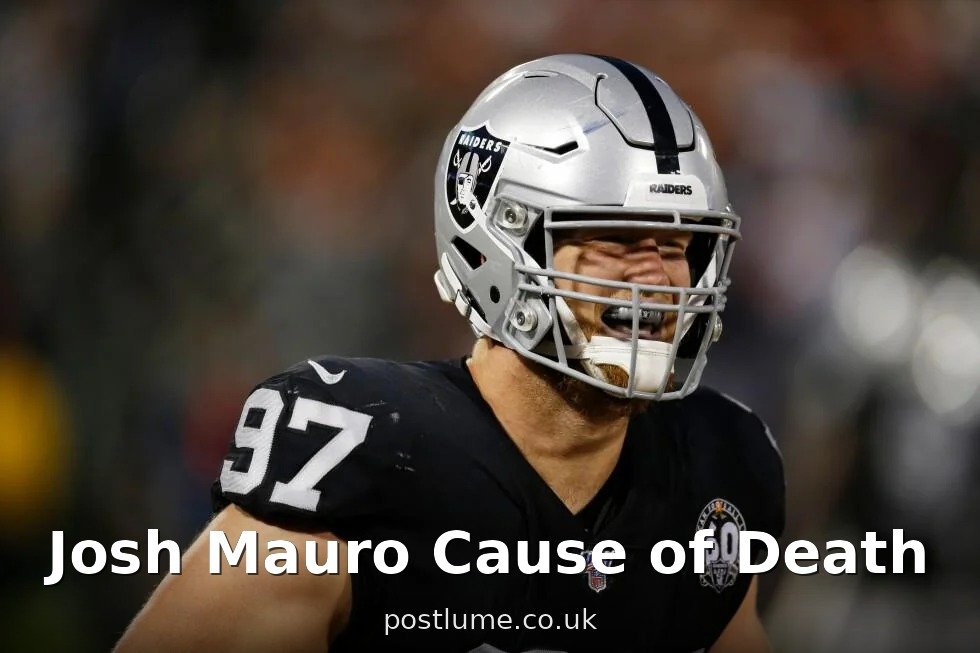
Mauro played college football at Stanford from 2010 to 2013 before going undrafted in 2014. He signed with the Pittsburgh Steelers that year but was cut before the season began. He found his footing with the Arizona Cardinals, where he spent the bulk of his career — four seasons from 2015 through 2018, a one-year stint each with the New York Giants and Oakland Raiders, and a return to Arizona for his final two seasons in 2020 and 2021.
At 6-foot-6 and 290 pounds, Mauro built an eight-season NFL career as a rotational defensive end. His best statistical year came in 2016, when he appeared in 15 games for the Cardinals, started 13, and recorded 32 tackles. Across 80 career games and 40 starts, he finished with five sacks.
When and How He Died
Mauro died on April 23 at his home in Arizona. His father, Greg Mauro, announced the death in a Facebook post, describing the loss as one the family was processing with grief and faith. The announcement came before any official cause of death had been released, leaving weeks of uncertainty for fans and former teammates.
Official Cause of Death
On May 15, the Maricopa County Medical Examiner’s office released its findings. The ruling: Mauro died from an acute combined intoxication involving fentanyl, cocaine, and ethanol (alcohol). The manner of death was classified as accidental — meaning investigators found no evidence of intent to self-harm, but rather a fatal reaction to the combination of substances in his system.
The nearly month-long gap between his death and the public release of the cause is typical for cases requiring toxicology testing, which can take several weeks to process.
What Led Up to His Death
According to a Phoenix Police Department case report obtained by outlets covering the story, Mauro had reportedly been drinking and using cocaine in the days before he was found unresponsive. A woman present at the residence told investigators he had been on a multi-day stretch of use and had shown physical symptoms — including nosebleeds and sweating — consistent with cocaine use, in the period leading up to his death.
These details come directly from the police record. Nothing beyond what investigators documented is confirmed, and no further circumstances have been made public.
NFL Career Recap
Mauro’s path to the NFL ran through Stanford, where he played from 2010 to 2013. After going undrafted, he briefly joined the Steelers before landing with the Cardinals, the team he’d become most associated with. His four consecutive seasons in Arizona from 2015 to 2018 were followed by single-season stops with the Giants and Raiders, then a two-year return to the Cardinals to close out his career in 2021.
Over eight NFL seasons, he appeared in 80 games, started 40, and posted five career sacks — a solid, unglamorous run typical of a defensive lineman who found his value in rotation and run support rather than highlight-reel plays.
Team and Community Response
The Arizona Cardinals issued a public statement following news of Mauro’s death, expressing that the organization was heartbroken to learn of his passing. The statement reflected the standard tone teams take when a former player dies — acknowledgment of the loss and condolences to the family — without commenting on the circumstances, which were not yet public at the time.
Why Fentanyl-Combination Overdoses Are Increasingly Common
Mauro’s death fits a pattern public health officials have flagged repeatedly in recent years: fatal overdoses that involve fentanyl mixed with other substances, rather than fentanyl alone. Cocaine, in particular, is frequently found to be contaminated with fentanyl in the illicit drug supply — sometimes without the user’s knowledge.
Combining stimulants like cocaine with alcohol and an opioid like fentanyl creates conflicting effects on the body. Stimulants can mask the sedative effects of an opioid, delaying the physical signs of an overdose until it’s too late to intervene. This is part of why medical examiners and addiction specialists warn that a person doesn’t need a long history of drug use for a combination like this to be fatal — a single instance of use, especially with contaminated supply, can be enough.
Similar Cases in Professional Sports
Mauro‘s death is not an isolated case within pro sports. Former NHL forward Jimmy Hayes died in 2021 from acute intoxication caused by the combined effects of fentanyl and cocaine — a case that led his family to speak publicly in hopes of raising awareness. Former Baltimore Ravens linebacker Jaylon Ferguson died in 2022 from a similar combination of fentanyl and cocaine, a death the Maryland medical examiner also ruled accidental.
These cases point to a broader pattern rather than a series of unrelated tragedies, and they’ve prompted more athletes’ families to speak openly about overdose risk in hopes of preventing similar deaths.

Frequently Asked Questions
How did Josh Mauro die? He died from an accidental overdose caused by a combination of fentanyl, cocaine, and alcohol, according to the Maricopa County Medical Examiner.
What team did Josh Mauro play for? He spent the majority of his career with the Arizona Cardinals, with one season each for the New York Giants and Oakland Raiders.
When did Josh Mauro die? He died on April 23. His cause of death was made public on May 15.
How old was Josh Mauro when he died? He was 35.
Did Josh Mauro have a history of drug addiction? No history of long-term addiction has been publicly confirmed. Investigators have not released information suggesting this was anything other than an isolated period of substance use.
