




Top Chef Season 21 represents a major turning point in the evolution of the long-running culinary competition series Top Chef. With fresh leadership, a new location, and updated competition rules, the season managed to balance tradition with innovation. It attracted both loyal viewers and new audiences who were curious to see how the show would evolve after significant changes behind the scenes.
One of the most talked-about aspects of the season was the transition in hosting. For the first time in years, the show introduced a new host, Kristen Kish, who previously won Season 10. Her presence brought authenticity and relatability, as she understood the pressures of competing at a high level. This shift helped redefine the tone of the show while maintaining its competitive edge.
Season 21 premiered in 2024 and quickly gained attention for its strong storytelling and high-quality cooking. From the opening episode to the final challenge, it demonstrated why the Top Chef franchise continues to remain relevant in the world of culinary television.
Filming Location and Culinary Identity
A defining feature of Top Chef Season 21 was its setting in Wisconsin, a region not traditionally highlighted in global culinary discussions. Cities like Milwaukee and Madison served as primary filming locations, offering a fresh perspective on American cuisine.
Wisconsin’s identity as “America’s Dairyland” played a central role in the season’s culinary direction. Many challenges revolved around cheese production, local farms, and regional specialties. Contestants were required to incorporate these elements into their dishes, pushing them to think creatively while respecting local traditions.
The season also explored the connection between food and community. By focusing on local producers, farmers, and chefs, the show highlighted how regional ingredients shape culinary identity. This approach added depth and authenticity to the competition.
Host and Judges in Top Chef Season 21
The introduction of Kristen Kish as host marked a significant shift in Top Chef Season 21. Her journey from contestant to host provided a unique perspective, allowing her to connect with participants on a deeper level. She brought a calm and supportive energy while maintaining professionalism.
The judging panel continued to include Tom Colicchio and Gail Simmons, both of whom have been integral to the show’s success. Their expertise ensured that the competition maintained its high standards, with detailed critiques and thoughtful feedback.
Guest judges also played an important role throughout the season. Renowned chefs and industry experts added variety and excitement, offering contestants the opportunity to impress some of the most respected names in the culinary world.
Contestants and Culinary Diversity
The cast of Top Chef Season 21 featured a diverse group of talented chefs from across the United States. Each contestant brought a unique background, culinary style, and perspective, making the competition more dynamic and unpredictable.
Many participants had experience in fine dining, including work in Michelin-starred restaurants and award-winning kitchens. Others specialized in regional or cultural cuisines, adding richness and diversity to the dishes presented throughout the season.
This diversity was one of the season’s greatest strengths. It allowed viewers to experience a wide range of flavors and techniques, reflecting the evolving landscape of modern cuisine. The contestants’ personal stories also added emotional depth, making the competition more engaging.
Format Changes and Competition Structure
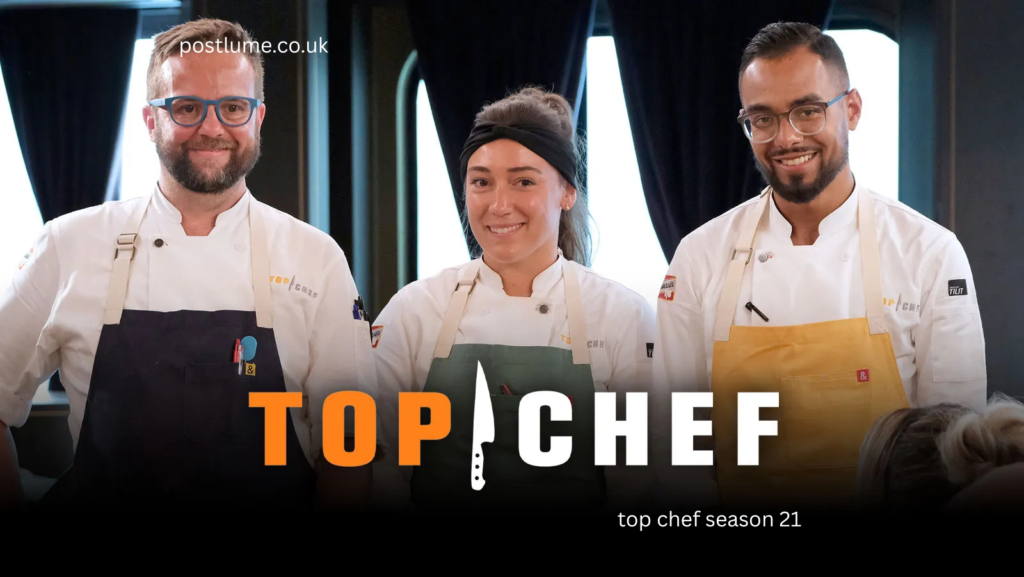
Top Chef Season 21 introduced several changes to its traditional format, making the competition more intense and unpredictable. While classic elements like Quickfire and Elimination challenges remained, their structure was adjusted to increase stakes.
One notable change was the reduced emphasis on immunity. Instead of relying on safety advantages, contestants often competed for cash rewards, forcing them to consistently perform at a high level. This shift encouraged risk-taking and creativity.
The competition structure also emphasized adaptability. Challenges required chefs to think on their feet, whether working with unfamiliar ingredients or cooking in unconventional environments. These changes kept the competition fresh and exciting.
Memorable Challenges and Culinary Highlights
Throughout Top Chef Season 21, the challenges were designed to test both technical skill and creativity. From farm-to-table cooking to large-scale events, each episode presented a new set of obstacles.
One of the most memorable aspects was the focus on Wisconsin’s culinary heritage. Challenges centered around cheese-making, local seafood, and seasonal ingredients. These tasks required contestants to balance tradition with innovation, resulting in unique and impressive dishes.
The season also featured emotional moments, as contestants shared personal stories and faced high-pressure situations. These moments added depth to the competition, making it more than just a showcase of cooking skills.
The Finale and Winner of Top Chef Season 21
The finale of Top Chef Season 21 took the competition to an international setting, adding a new level of complexity. The final contestants were required to create multi-course meals that reflected their culinary journeys and personal styles.
Danny Garcia emerged as the winner, impressing the judges with his creativity, technique, and consistency. His dishes showcased a deep understanding of flavor and presentation, earning him the title.
The final round was highly competitive, with each contestant delivering exceptional performances. The close nature of the competition sparked discussions among fans, highlighting the high level of talent present in the season.
Audience Reception and Critical Response
The response to Top Chef Season 21 was largely positive, with many viewers praising the new host and updated format. The season’s focus on storytelling and emotional depth resonated with audiences.
Fans appreciated the balance between competition and personal narratives. The show managed to highlight the human side of cooking, making it more relatable and engaging. Social media discussions further amplified its popularity, with viewers sharing their thoughts and favorite moments.
Critics also noted the success of the format changes. By introducing new elements while maintaining the core identity of the show, the season demonstrated the franchise’s ability to evolve.
Impact on the Top Chef Franchise

Top Chef Season 21 had a significant impact on the future of the franchise. It proved that the show could adapt to changing audience expectations while preserving its core values.
The introduction of a new host and revised format set a precedent for future seasons. It showed that innovation is essential for long-running series to remain relevant in a competitive entertainment landscape.
The season also reinforced the importance of authenticity and storytelling. By focusing on real experiences and emotions, it created a deeper connection with viewers, ensuring the continued success of the franchise.
Conclusion
Top Chef Season 21 stands as a powerful example of how a long-running series can evolve while staying true to its roots. With its new host, diverse contestants, and innovative challenges, it delivered a compelling and memorable experience.
From its Wisconsin setting to its international finale, the season showcased the creativity and passion of professional chefs. It highlighted the importance of adaptability, storytelling, and cultural appreciation in modern cooking.
As the Top Chef franchise continues to grow, Season 21 will be remembered as a turning point that redefined the competition. It not only entertained audiences but also celebrated the art of cooking, leaving a lasting impact on both viewers and the culinary world.
