



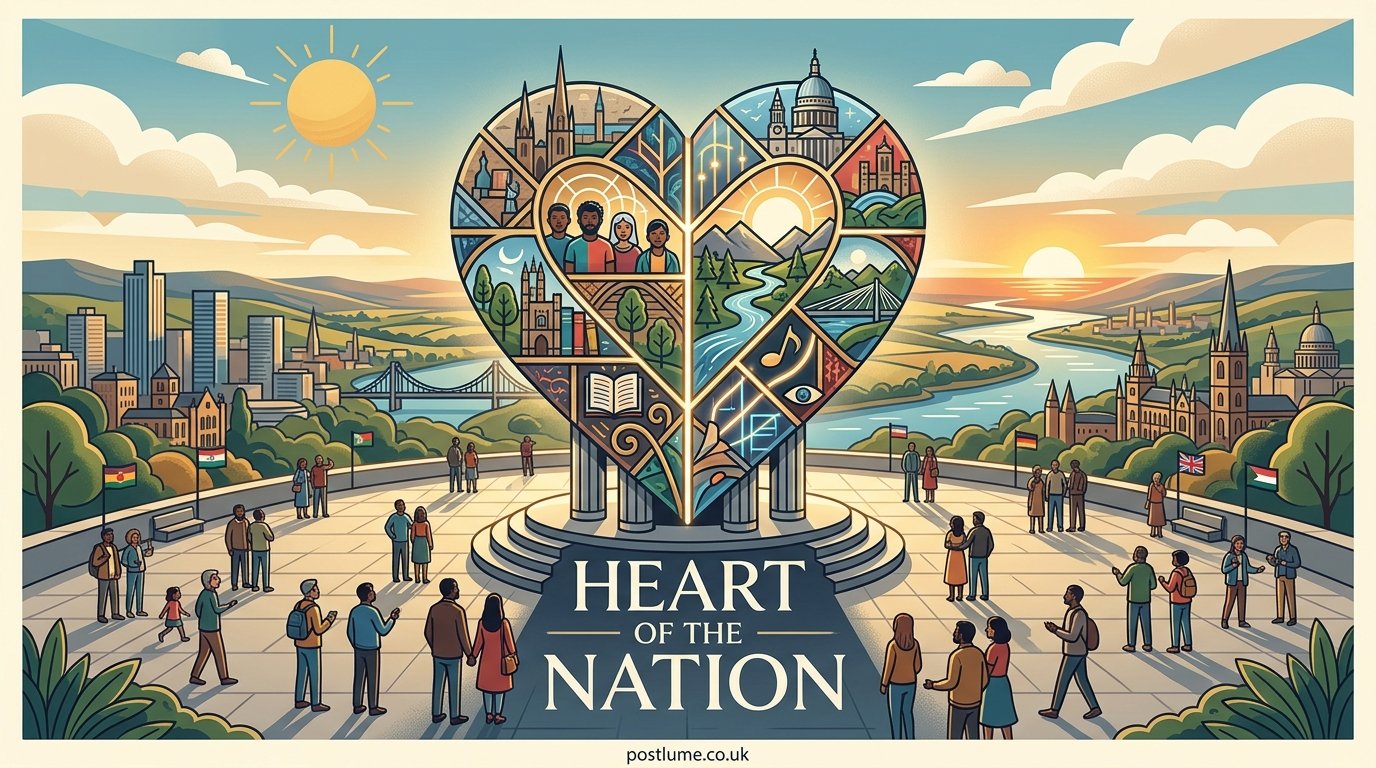
The phrase “Heart of the Nation” carries strong emotional and spiritual meaning for many people. It is often associated with faith-based outreach, national identity, cultural unity, and community connection. In recent years, the term has become especially recognized through the Catholic media ministry known as Heart of the Nation, which broadcasts televised Mass and spiritual programming to viewers across the United States.
For many religious viewers, Heart of the Nation represents more than a television ministry. It serves as a source of comfort, spiritual reflection, prayer support, and connection for individuals who may be unable to attend church services in person. Elderly viewers, homebound Catholics, hospital patients, and people living in isolated areas often rely on televised worship services to remain spiritually engaged.
The broader meaning of the phrase also extends into discussions about culture, leadership, social responsibility, and national values. Organizations using similar names frequently focus on community development, peace initiatives, education, and humanitarian outreach.
The Origins of Heart of the Nation Ministry
The Catholic media ministry known as Heart of the Nation began its televised Mass broadcasts in 1984. According to official information from the organization, the ministry first aired a Catholic TV Mass on Palm Sunday and gradually expanded into one of the most widely distributed televised Mass programs in the United States.
The ministry operates from Milwaukee, Wisconsin, and reaches viewers through television broadcasts, online streaming platforms, social media, and digital prayer resources. Over the years, it has evolved beyond simple television programming into a large multimedia faith outreach effort serving audiences nationwide.
One reason for the organization’s continued popularity is its focus on accessibility. Many viewers appreciate being able to participate in worship from home while still feeling spiritually connected to a larger faith community.
The Role of Televised Catholic Mass in Modern Society
Televised worship services have become increasingly important in modern religious life. For individuals unable to attend church regularly, online and television Mass broadcasts provide an alternative way to stay connected with spiritual traditions and religious practices.
Heart of the Nation’s Sunday Mass broadcasts are designed to create an immersive worship experience using multiple cameras, church visuals, liturgical music, and prayer participation. The ministry produces services from Sacred Heart Croatian Parish in Milwaukee, Wisconsin.
The rise of digital faith communities has significantly expanded the reach of ministries like Heart of the Nation. Streaming technology, YouTube broadcasts, and social media engagement now allow religious organizations to connect with global audiences instantly.
This digital transformation became even more significant during periods when many churches faced attendance limitations and increased demand for remote worship options.
Prayer, Spiritual Guidance, and Community Support
One of the most important aspects of Heart of the Nation is its emphasis on prayer and spiritual encouragement. Viewers can submit prayer intentions that become part of televised Mass services and ongoing ministry outreach efforts.
For many individuals facing illness, grief, loneliness, or personal struggles, this sense of participation offers emotional comfort and spiritual reassurance. Faith-based media ministries often become especially meaningful for people seeking hope during difficult life situations.
The organization also publishes prayer guides, reflections, devotional resources, and seasonal worship materials designed to support spiritual growth beyond weekly Mass participation. These materials help viewers maintain daily prayer habits and deeper engagement with Catholic traditions.
Religious experts note that community-focused ministries play an important role in reducing social isolation among older adults and homebound individuals.
How Faith-Based Media Ministries Continue to Grow
Religious broadcasting has evolved dramatically over the past several decades. Traditional television ministries have expanded into digital ecosystems that include streaming services, podcasts, websites, mobile apps, and social media platforms.
Heart of the Nation reflects this broader trend by offering online prayer resources, weekly reflections, Rosary programs, and digital worship content accessible across multiple devices.
Faith organizations increasingly recognize that younger audiences consume religious content differently than previous generations. Digital engagement strategies now play a central role in ministry growth and audience outreach.
The ability to reach viewers internationally through online platforms has also expanded the global influence of faith-based organizations that were once limited primarily to local television audiences.
The Importance of Faith Communities for Older Adults
Many viewers of televised Mass ministries are older adults who may face mobility limitations, health concerns, or transportation challenges. For these individuals, programs like Heart of the Nation provide an important spiritual connection that helps reduce feelings of isolation.
Religious participation is often associated with emotional resilience, social connection, and psychological well-being. Studies on faith communities suggest that regular spiritual engagement can positively influence mental health, emotional stability, and overall quality of life.
Heart of the Nation’s large-print worship guides and accessible media formats reflect an effort to serve aging audiences more effectively.
The ministry’s continued popularity demonstrates how religious broadcasting remains relevant in a digital age where many people still seek meaningful spiritual experiences and supportive communities.
Educational and Multimedia Religious Resources
Beyond televised worship, Heart of the Nation provides educational materials and multimedia resources designed for both adults and children. The organization offers devotional publications, Catholic reflections, online prayer tools, and faith-centered programming.
One notable example mentioned by the ministry is the animated series “Bugtime Adventures,” which introduces children to Gospel teachings through storytelling and entertainment.
Faith-based educational media continues to grow as parents and religious organizations seek family-friendly content that supports spiritual development. Religious streaming services, podcasts, and online educational programs are increasingly common within modern faith communities.
The combination of education, worship, and digital media has allowed organizations like Heart of the Nation to maintain long-term audience engagement.
Heart of the Nation and Broader Humanitarian Themes
The phrase “Heart of the Nation” is also used by various nonprofit and humanitarian organizations focused on peacebuilding, leadership development, and social change. One example is Heart of a Nation, which promotes dialogue and leadership initiatives involving American, Israeli, and Palestinian participants.
Organizations using similar names often emphasize compassion, cultural understanding, education, and community collaboration. These broader humanitarian themes contribute to the emotional appeal of the phrase itself.
The idea of representing the “heart” of a nation typically symbolizes unity, empathy, resilience, and collective identity. This symbolism appears frequently in nonprofit branding, faith outreach, and civic engagement campaigns.
As social challenges become more complex globally, organizations centered on community connection and dialogue continue gaining public attention.
The Future of Digital Faith Outreach
The future of ministries like Heart of the Nation will likely depend heavily on digital innovation and audience adaptability. Streaming technology, mobile applications, artificial intelligence, and interactive online communities are already changing how religious organizations communicate with followers.
Younger generations increasingly expect on-demand spiritual content available through smartphones, smart TVs, and social platforms. Faith organizations that adapt to these expectations may continue expanding their reach successfully.
At the same time, traditional television broadcasts remain important for older audiences who rely on familiar media formats. Successful ministries often balance modern digital outreach with traditional accessibility.
The growth of online worship communities suggests that faith-based digital engagement will remain a major part of religious life moving forward.
Why Heart of the Nation Continues to Resonate
Heart of the Nation continues to resonate because it represents more than media broadcasting or organizational outreach. For many viewers and supporters, it symbolizes spiritual comfort, continuity, hope, and human connection.
The ministry’s emphasis on prayer, accessible worship, community participation, and compassionate outreach has allowed it to remain meaningful for decades. Its ability to combine traditional Catholic practices with modern communication technology has helped maintain relevance in a rapidly changing media environment.
The broader cultural appeal of the phrase also reflects society’s ongoing desire for unity, faith, and collective purpose. Whether discussed in a religious, humanitarian, or community context, “Heart of the Nation” continues to evoke ideas of connection, compassion, and shared identity.
