



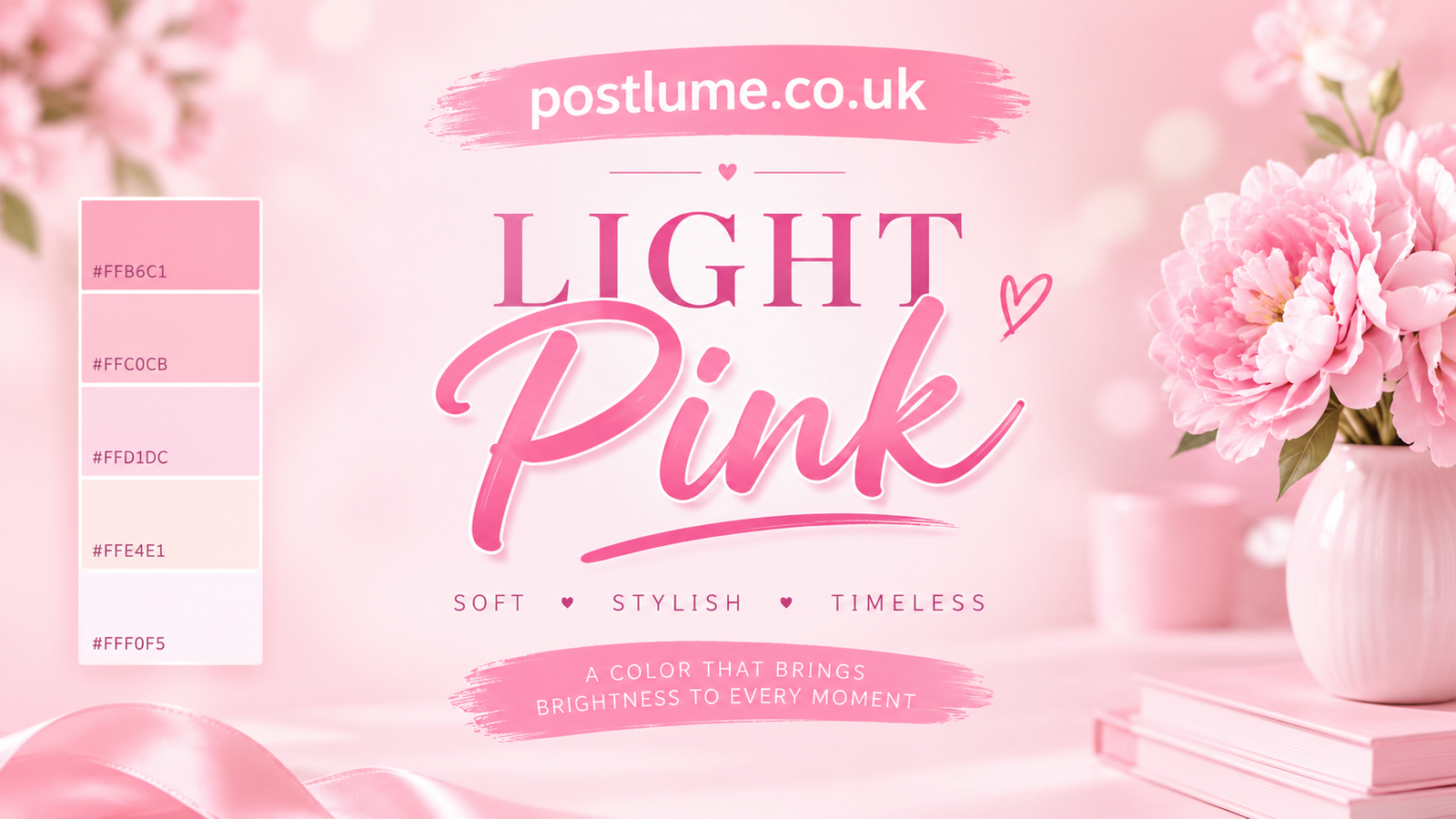
Light pink is a soft, delicate color that brings warmth, freshness, and a gentle touch of elegance to almost any setting. From pink dresses and nail designs to bedroom decor, flowers, and digital backgrounds, this versatile shade remains a popular choice for people who want a look that feels calm, romantic, and inviting.
But light pink is more than just a pale version of pink. Its appearance can change significantly depending on its undertone, brightness, and surrounding colors. A cool, pale pink may feel clean and modern, while a warmer blush pink can create a cozy, romantic atmosphere.
Whether you’re choosing a pink outfit, decorating a room, selecting a paint color, or creating a digital design, understanding its shades and combinations can help you make a more confident choice.
This guide explains what pink is, its color codes, what it represents, which colors complement it, and how to use it in fashion, beauty, and everyday life.
What Is Light Pink?
pink is a pale tint of pink created by mixing pink with white or by increasing the lightness of a pink color. It can range from barely-there pastel pink to a more noticeable soft rose or blush shade.
Pink itself is commonly associated with red, but pink has a softer appearance because it contains a greater proportion of lightness.
Light pink can look:
- Soft and romantic when paired with white or cream.
- Fresh and playful when combined with brighter pastel colors.
- Elegant and sophisticated when styled with charcoal, navy, or burgundy.
- Modern and minimal when used with gray, beige, or clean white.
pink is often described as a pastel color, although not every pale pink has the same saturation or undertone. Some shades lean toward peach, while others have a cooler, slightly lavender appearance.
Light Pink Hex Code, RGB, and Color Values

The standard web color named LightPink is a pale pink shade defined in CSS and HTML color specifications.
Here are its commonly used digital color values:
Light Pink
Standard CSS named color
Hex
#FFB6C1
RGB
255, 182, 193
HSL
351°, 100%, 86% Copy light pink hex code
What is the light pink color code?
The standard light pink color code is:
- Hex code:
#FFB6C1 - RGB code:
rgb(255, 182, 193) - HSL code:
hsl(351, 100%, 86%)
The hex code is especially useful for website design, graphic design, social media graphics, and digital illustrations.
However, pink does not have only one color code. Designers often use other pale pink shades depending on the mood and purpose of a project.
For example, a pink background may need a softer shade than a vibrant pink accent.
Popular Shades of Light Pink
pink comes in many variations, from almost-white pink to richer rose tones. Understanding these differences makes it easier to choose the right shade for clothing, interiors, cosmetics, or digital artwork.
Lavender Blush
Hex: #FFF0F5
A very pale pink with a subtle cool undertone. It works well for delicate backgrounds, wedding stationery, and soft bedroom palettes.
Light Pink
Hex: #FFB6C1
A recognizable soft pink with a gentle rosy appearance. It suits playful designs, accessories, and feminine-inspired decor.
Baby Pink
Hex: #F4C2C2
A soft, delicate pink commonly associated with sweetness and youthful styling. This is an illustrative shade; baby pink has no single universal hex value.
Dusty Pink
Hex: #DE9AAB
A muted, slightly deeper pink with a subdued appearance. It works beautifully with taupe, olive green, and warm neutrals.
Pastel Pink
Hex: #F8C8DC
A light, gentle pink often used in spring-inspired palettes, fashion, beauty products, and cute digital aesthetics.
Light pink vs. baby pink
pink and baby pink are closely related, but they are not always identical.
pink is a broad description for pale pink shades. Baby pink generally refers to a delicate, youthful-looking pink that often has a soft, slightly warm or neutral undertone.
The difference depends on the specific color being used. For a digital project, compare the actual hex codes rather than relying only on the shade names.
What Does Light Pink Mean?
pink is often associated with tenderness, affection, kindness, romance, and gentle optimism. Its pale appearance can make it feel less intense than brighter shades of pink or red.
Color meanings are influenced by culture, personal experience, and context, so pink does not communicate the same message in every situation.
1. Love and affection
pink is frequently used to express gentle affection, admiration, and care. Unlike deep red, which is commonly associated with passion, light pink often conveys a softer, more delicate kind of romance.
That makes it a popular choice for greeting cards, romantic gifts, wedding decorations, and floral arrangements.
2. Calmness and softness
Pale pink shades can create a quiet, soothing atmosphere, especially when paired with neutral colors.
A pink bedroom, for example, may feel warm and inviting without appearing overly bold. In graphic design, a pale pink background can give a layout a gentle, approachable appearance.
3. Femininity and beauty
pink has a long-standing association with femininity in many contemporary fashion and beauty contexts. It appears in cosmetics, dresses, accessories, and nail designs.
However, pink is not limited to one gender or style. Anyone can incorporate it into their wardrobe or personal aesthetic.
4. Freshness and new beginnings
Because pink is often associated with spring flowers, blossoms, and new growth, it can also suggest freshness, renewal, and optimism.
This makes it a natural fit for spring collections, seasonal decorations, and floral branding.
Colors That Go With Light Pink
pink is easy to coordinate because it can work as either a subtle background color or a noticeable accent. The best combination depends on whether you want a romantic, modern, playful, or sophisticated result.
Light pink and white
pink and white create a clean, delicate combination. White helps pale pink look brighter and gives the overall palette a fresh appearance.
Use this pairing for:
- pink bedding with white sheets.
- Pink dresses with white accessories.
- Wedding invitations and floral arrangements.
- Minimalist phone wallpapers.
Light pink and black
Black creates strong contrast with pink. The result can feel modern, bold, and polished rather than overly sweet.
Try a pink blouse with black trousers, a pink graphic tee with black jeans, or a pink accent against a dark website background.
Light pink and navy blue
Navy blue adds depth and structure to pink. This pairing works particularly well for formal outfits, professional clothing, invitations, and bedroom decor.
A pink shirt with navy trousers is one simple way to combine the two colors.
Light pink and sage green
Sage green gives pink a natural, botanical feel. The combination is especially attractive in floral designs, spring outfits, and relaxed interior spaces.
For a softer look, use pale pink as the main color and sage green as an accent.
Light pink and beige
Beige and pink create a warm, understated palette. This combination suits neutral wardrobes, cozy bedrooms, and elegant packaging.
Cream, ivory, and warm taupe are also useful alternatives.
Light pink and burgundy
Burgundy provides a rich contrast that makes pink feel more mature and sophisticated.
Use burgundy shoes, handbags, or accessories with a pale pink outfit, or introduce burgundy cushions into a pink bedroom.
Light pink color combination guide
| Color | Overall effect | Best uses |
|---|---|---|
| White | Fresh and delicate | Bedrooms, weddings |
| Black | Bold and modern | Outfits, graphic design |
| Navy blue | Classic and polished | Formalwear, interiors |
| Sage green | Natural and calming | Floral decor, spring outfits |
| Beige | Warm and understated | Clothing, home decor |
| Burgundy | Rich and elegant | Eveningwear, accessories |
| Gray | Soft and contemporary | Office wear, modern interiors |
| Lavender | Dreamy and playful | Wallpapers, beauty designs |
How to Use Light Pink in Fashion
pink can look casual, formal, romantic, or sporty depending on the fabric, silhouette, and accessories.
Light pink dresses
A pink dress is a versatile choice for spring events, parties, graduations, and weddings.
Different dress styles create different impressions:
- Light pink mini dress: A playful option for parties, casual outings, and summer events.
- Light pink midi dress: A balanced choice for brunches, garden parties, and semi-formal occasions.
- Light pink maxi dress: A flowing silhouette that works well for formal events and evening occasions.
- Light pink satin dress: Adds a smooth sheen and an elegant finish.
- Light pink floral dress: A natural choice for spring and summer celebrations.
For a wedding guest outfit, consider the dress code, venue, and couple’s preferences. pink is often suitable, but check whether the couple has requested specific colors or whether the shade could be mistaken for white in photographs.
Light pink shirts and tops
A pink shirt can soften an outfit without making it look overly casual.
For women, try a pink blouse with cream trousers, a pink cardigan over a white top, or a pink tank top with denim.
For men, a pink linen shirt or button-down can pair well with navy, charcoal, beige, or white trousers.
A pink shirt with dark pants is also a straightforward way to create contrast.
Light pink shoes and sneakers
pink shoes can add color to an outfit while remaining relatively easy to style.
Popular styles include pink sneakers, Adidas-inspired sporty footwear, Nike sneakers, ballet flats, sandals, and kitten heels.
For everyday outfits:
- Wear pink sneakers with blue jeans and a white tee.
- Pair pale pink flats with a midi skirt or tailored trousers.
- Match pink heels with a navy or black dress.
- Combine pink sandals with neutral summer clothing.
Light pink shoes do not literally go with every outfit, but they coordinate well with many neutral and pastel palettes.
Light pink bags and accessories
A pink purse, backpack, or handbag can add a subtle color accent without requiring a fully pink outfit.
For a coordinated look, match a pink bag with one small detail, such as a hair accessory, shoes, or jewelry.
You can also combine pink with metallic accessories. Silver creates a cooler, contemporary effect, while gold adds warmth.
Light Pink in Beauty and Nail Designs

Light pink is widely used in beauty because it can look subtle and polished or decorative and expressive.
Light pink nails
Light pink nail polish is a popular choice for everyday manicures, weddings, and understated nail designs.
Some options include:
- Light pink almond nails: An elongated nail shape paired with a soft pink polish for a delicate finish.
- Light pink French tip nails: A pale pink base with a contrasting tip, often white.
- Light pink chrome nails: A pink base with a reflective powder or coating for a pearly, metallic effect.
- Light pink ombre nails: A gradual transition between pale pink and another shade.
- Light pink cat-eye nails: A magnetic polish effect that creates a shifting band of light.
- Light pink glitter nails: A sparkling finish for celebrations or special occasions.
For a natural manicure, choose a sheer pink polish. For a more noticeable look, select a creamy opaque shade or add chrome, glitter, or nail art.
Light pink makeup
pink blush, lipstick, and eyeshadow can create a soft, coordinated makeup look.
A pale pink blush can add a gentle flush, while pink lipstick can give the lips a fresh appearance.
The most suitable shade depends on your skin tone, undertone, and desired finish. Cooler pinks may complement cool undertones, while peachy pinks may harmonize with warmer undertones. These are styling guidelines rather than strict rules.
Light pink hair
pink hair ranges from barely visible pastel tones to vivid candy pink.
A pale pink hair color can create a soft, dreamy appearance, but the final result depends on the starting hair color, dye formula, and hair condition.
pink shades usually show most clearly on a sufficiently light base. If you want to try the color temporarily, consider a tinted conditioner, wash-out product, or temporary hair color.
How to Use Light Pink in Home Decor

Light pink can make a room feel softer and warmer without overwhelming the space. The key is to consider how much pink you use and how it interacts with lighting, furniture, and other colors.
Light pink walls and paint
Light pink wall paint can create a gentle backdrop for bedrooms, nurseries, dressing rooms, and creative spaces.
Before painting an entire room, test a sample on the wall. Pink paint can look warmer, cooler, brighter, or more muted depending on daylight and artificial lighting.
For a balanced interior:
- Pair pale pink walls with white trim.
- Add wood furniture for warmth.
- Use sage green or gray accents for contrast.
- Choose muted blush if you prefer a less saturated look.
If you want a pink wall, look for shades with a high lightness level and restrained saturation.
Light pink bedding
pink bedding is an easy way to introduce the color without making a permanent change.
Consider combining:
- A light pink comforter with white sheets.
- A blush duvet cover with beige pillows.
- A pink quilt with cream bedding.
- A pink throw blanket with gray or neutral upholstery.
Layering different textures, such as cotton, linen, and knitted fabrics, can make a pink bedroom feel more sophisticated.
Light pink rugs, curtains, and accessories
If you prefer neutral walls, introduce pink through smaller decorative pieces.
A pink area rug can soften a bedroom or seating area. Pink curtains can add warmth near windows, while throw pillows and blankets provide an easy way to experiment with the color.
A pink lamp, vanity chair, or upholstered bed can also serve as a focal point.
For a cohesive room, repeat the shade in two or three places rather than using the exact same pink on every surface.
How to Make Light Pink
You can create light pink by mixing a pink color with white.
How to make light pink paint
- Start with a small amount of white paint.
- Add a tiny amount of red paint.
- Mix thoroughly until the color becomes a pale pink.
- Add more red for a stronger pink or more white for a lighter shade.
- Test the mixture after it dries, because wet paint can look different from its finished color.
For a warmer pink, use a red with an orange undertone. For a cooler pink, use a red with a more bluish undertone.
How to make light pink digitally
In digital design software, you can create light pink by adjusting a color’s hue, saturation, and lightness.
For a standard light pink, enter the hex code #FFB6C1.
For a softer background, try #FFF0F5. For a more muted blush, experiment with a less saturated pink.
If you are designing a website, check the contrast between the text and the background. Very pale pink backgrounds can make white text difficult to read.
Frequently Asked Questions About Light Pink
Is light pink a pastel color?
Yes, pink is commonly considered a pastel color because it has a pale, soft appearance. However, some pink shades are more saturated than traditional pastels.
Is light pink a neutral color?
pink is generally considered a color rather than a traditional neutral. However, very pale, muted pinks can function like soft neutrals in fashion and interior design.
What is the difference between light pink and blush pink?
pink is a broad category of pale pink shades. Blush pink usually refers to a softer, muted pink that may have warm, peachy, or beige undertones. The terms sometimes overlap.
Does light pink go with brown?
Yes. Light pink and brown create a warm, balanced combination. Pale pink works well with chocolate brown, tan, caramel, and beige. Try a pink blouse with brown trousers or pink cushions with brown furniture.
Does light pink go with green?
Yes. pink pairs well with many shades of green, especially sage, olive, mint, and forest green. Softer greens create a relaxed look, while darker greens provide stronger contrast.
Is light pink suitable for formal occasions?
Yes. pink can work for formal occasions when the garment has an appropriate silhouette and fabric. Satin gowns, tailored suits, structured blazers, and elegant accessories can make the shade look polished.
What is the light pink heart emoji?
The light pink heart emoji is 🩷. It is commonly used to express affection, care, sweetness, or gentle support. Its meaning depends on the conversation and the person using it.
How do I choose the right light pink shade?
Start with the purpose. Choose a very pale pink for subtle backgrounds, a warmer blush for cozy interiors, and a more saturated pink for noticeable clothing or accessories. Compare color samples under the lighting where you plan to use them.
Final Thoughts
Light pink is a versatile color that can feel romantic, calming, playful, or sophisticated depending on how you use it. Its many variations make it suitable for fashion, beauty, home decor, digital design, and special occasions.
For a timeless combination, pair pink with white, beige, or navy. For a more contemporary look, try sage green, charcoal, or burgundy. If you prefer a subtle touch, introduce the color through accessories, nail polish, bedding, or a soft pink background.
The best pink is the one that fits your purpose, preferred style, and surrounding colors. Start with a shade you like, experiment with a few combinations, and build a palette that feels natural to you.
Read More: Mike Kroeger: Net Worth, Age, Wife, Bass, Stroke and Nickelback Career
