



The idea of inside out characters comes from the groundbreaking animated film Inside Out, produced by Pixar Animation Studios and released by Walt Disney Pictures. This film introduced a unique storytelling approach where emotions are personified as characters living inside the mind of a young girl named Riley. Instead of focusing only on external events, the narrative dives deep into the internal emotional world, making it both educational and entertaining.
What makes inside out characters truly special is how they simplify complex psychological ideas. Emotions that are often difficult to explain—like sadness, fear, or anxiety—are given faces, voices, and personalities. This allows audiences to understand how feelings influence decisions, relationships, and identity. The concept is not just creative but also rooted in real emotional science, which adds authenticity to the storytelling.
Over time, these characters have become cultural symbols of emotional awareness. They are widely used in education, therapy, and everyday conversations about mental health. Their relevance continues to grow, especially as more people recognize the importance of emotional intelligence in daily life.
The Core Idea Behind Inside Out Characters
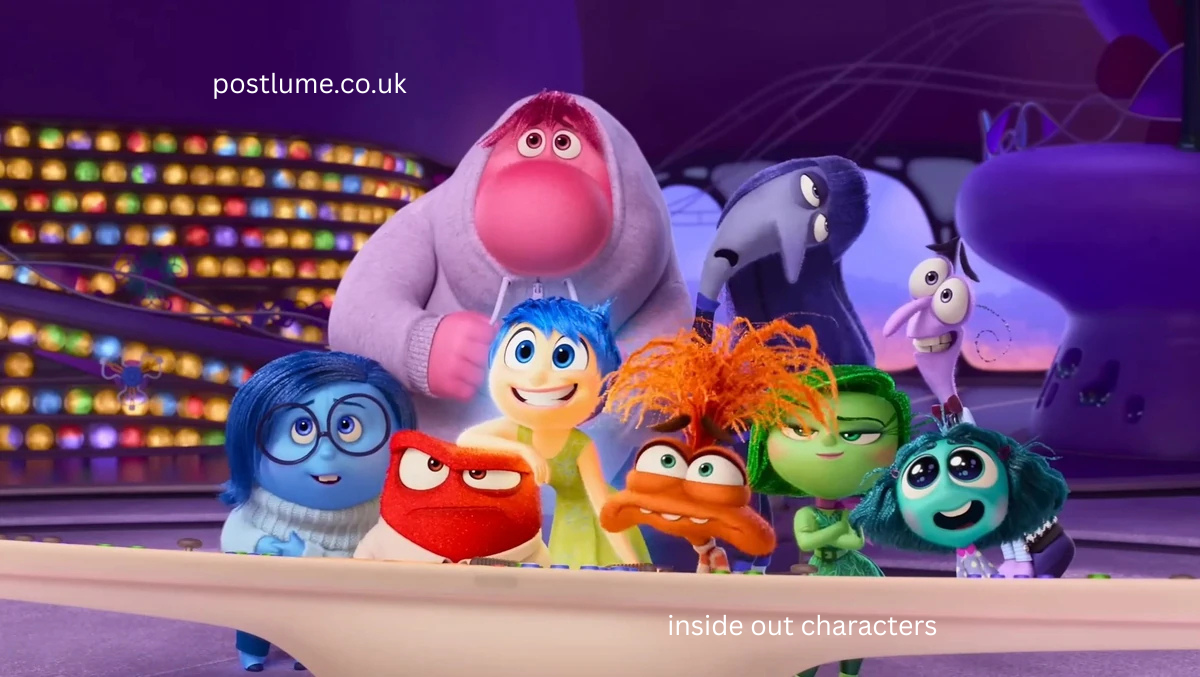
The foundation of inside out characters is based on the idea that human emotions work together to shape behavior. In the film, five primary emotions control Riley’s reactions: Joy, Sadness, Anger, Fear, and Disgust. Each of these emotions has a specific role, and together they create a balanced emotional system.
This concept aligns with psychological theories that identify basic emotions as essential parts of human development. By representing these emotions as characters, the film makes it easier to visualize how they interact. Instead of thinking of emotions as abstract feelings, viewers can see them as active participants in decision-making.
The brilliance of this approach lies in its balance. The film does not present any emotion as completely good or bad. Instead, it shows that every emotion has a purpose. This message challenges the common belief that negative emotions should be avoided and instead encourages acceptance and understanding.
Joy and Her Role in Inside Out Characters
Joy is the central figure among inside out characters and serves as the emotional leader. She represents happiness, optimism, and positivity, and her main goal is to ensure that Riley remains happy at all times. Her bright personality and energetic behavior make her instantly likable.
At the beginning of the story, Joy believes that happiness is the most important emotion. She tries to control situations to prevent sadness or discomfort. This reflects a common human tendency to prioritize positive feelings while suppressing negative ones. However, this approach eventually leads to imbalance.
As the story unfolds, Joy learns a powerful lesson about emotional complexity. She realizes that happiness alone cannot define a meaningful life. This transformation highlights the importance of allowing all emotions to exist, even those that seem uncomfortable.
Sadness and the Importance of Emotional Depth
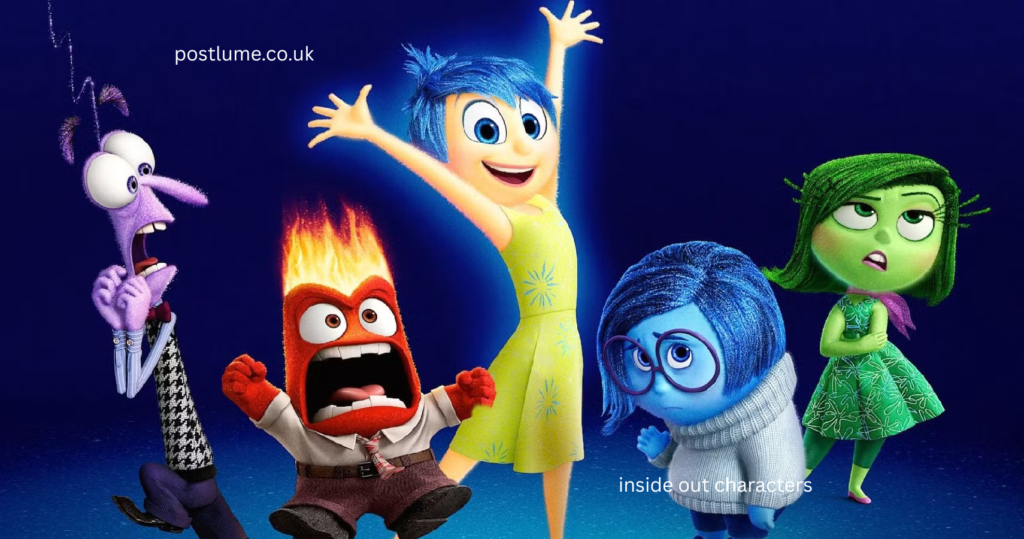
Sadness is one of the most misunderstood inside out characters at first. She often appears to disrupt Joy’s plans, leading to frustration and confusion. Her quiet and gentle nature contrasts sharply with Joy’s energetic personality.
However, Sadness plays a crucial role in emotional healing. She allows Riley to process difficult experiences, express vulnerability, and seek support from others. Without Sadness, Riley would struggle to cope with change and loss.
The film emphasizes that sadness is not a weakness but a necessary part of emotional growth. It helps individuals connect with others on a deeper level and provides a pathway to healing. This message has resonated strongly with audiences, making Sadness one of the most meaningful characters in the story.
Anger, Fear, and Disgust in Emotional Balance
Anger represents frustration and a sense of justice. He reacts strongly when situations seem unfair, helping Riley stand up for herself. Although his reactions can be intense, they serve an important purpose in maintaining boundaries.
Fear is responsible for safety and caution. He constantly evaluates risks and prepares for potential dangers. His anxious nature reflects the human instinct to avoid harm and protect oneself from threats.
Disgust focuses on protecting Riley from unpleasant experiences. She helps navigate social situations and ensures that Riley avoids things that could be harmful or embarrassing. Together, these three characters add depth and realism to the emotional system, showing how different feelings contribute to everyday life.
Riley’s Mind and the World of Inside Out Characters
Riley is the human center of the story, and her mind is where all inside out characters operate. The film introduces a detailed inner world, complete with memory storage, personality islands, and emotional control panels. This imaginative setting provides a visual representation of how the mind works.
One of the most important elements is the concept of core memories. These are significant moments that shape Riley’s personality and influence her behavior. Each memory is colored by the emotion that created it, showing how feelings and experiences are interconnected.
As Riley faces challenges, such as moving to a new city, her emotional system becomes unstable. This internal conflict mirrors real-life situations where people struggle to adapt to change. The film uses this journey to show how emotions work together to restore balance.
Expansion of Inside Out Characters in the Sequel
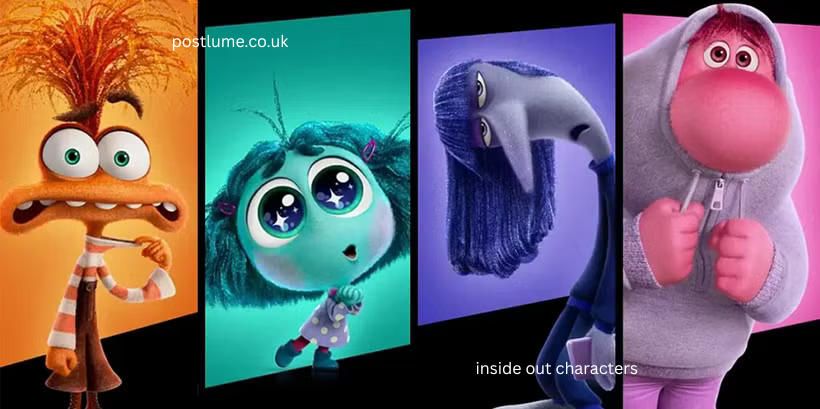
The story of inside out characters continues in Inside Out 2, where Riley enters her teenage years. This stage of life introduces new emotional challenges, leading to the addition of more complex emotions.
New characters such as Anxiety, Envy, Embarrassment, and Ennui reflect the evolving nature of human emotions. These feelings are particularly relevant during adolescence, a time when identity and self-awareness become more complicated.
The expansion of the emotional world highlights how feelings change over time. As people grow, their emotional experiences become more layered, requiring greater understanding and balance. This continuation adds depth to the original concept and keeps it relevant for new audiences.
Psychological Meaning Behind Inside Out Characters
The deeper meaning of inside out characters lies in their connection to real psychological principles. The film was developed with input from experts in emotional science, ensuring that its portrayal of feelings is both accurate and meaningful.
Each character represents a specific function in emotional regulation. Fear helps manage danger, Sadness encourages reflection, and Joy promotes well-being. This alignment with real-world psychology makes the story both educational and relatable.
By turning emotions into characters, the film simplifies complex ideas about mental health. It encourages viewers to see emotions as helpful signals rather than problems to be fixed. This perspective promotes a healthier approach to emotional well-being.
Cultural Impact of Inside Out Characters
The influence of inside out characters extends far beyond entertainment. They have become tools for teaching emotional intelligence in schools, therapy sessions, and family discussions. Their simplicity and relatability make them effective for explaining complex emotional concepts.
The film has also played a role in reducing stigma around mental health. By presenting emotions in a positive and understandable way, it encourages open conversations about feelings and personal struggles.
Its cultural impact is evident in how often the characters are referenced in everyday life. People use them as a way to describe their emotions, making the language of feelings more accessible and widely understood.
Why Inside Out Characters Still Matter Today
In today’s fast-paced world, understanding emotions is more important than ever. Inside out characters provide a framework for recognizing and managing feelings in a healthy way. They remind us that emotions are not obstacles but essential parts of the human experience.
The message of emotional balance is particularly relevant in times of stress and uncertainty. By accepting all emotions, individuals can build resilience and improve their mental well-being.
As new generations discover the films, the importance of inside out characters continues to grow. Their lessons remain timeless, offering guidance for navigating the complexities of life.
Conclusion
The journey of inside out characters is a powerful exploration of what it means to be human. Through the creative vision of Pixar Animation Studios, these characters have transformed the way people think about emotions and mental health.
From Joy’s optimism to Sadness’s depth, each character represents an essential part of emotional life. Together, they show that balance is key to happiness and personal growth.
Ultimately, inside out characters are more than just animated figures. They are reflections of real human experiences, offering valuable lessons about understanding, acceptance, and emotional well-being. Their impact will continue to inspire audiences for years to come.
